There is no denying that recycling is one of the most straightforward things we can do for the planet. Done right, it helps conserve natural resources, reduces pollution, and keeps waste out of landfills. According to the EPA, recycling and composting municipal solid waste saved over 193 million metric tons of carbon dioxide equivalent in a single year. But here is the catch: a lot of us are not doing it right. Around 25 to 30 percent of what ends up in recycling bins does not belong there, and those extras can contaminate an entire truckload of recyclables, sending the whole load straight to the landfill. These recycling tips will help you cut through the confusion so what you put in the bin actually gets recycled.
1
Do not be a wish-cycler
Wish-cycling is what happens when you toss something into the recycling bin hoping it will somehow get recycled, even though you are not sure it belongs there. It feels responsible in the moment, but it is actually one of the most common ways recycling loads get contaminated and rejected. Garden hoses, old Christmas lights, boomboxes, and bowling balls do not become recyclable just because they land in the blue bin. They clog sorting machinery and delay processing at recycling facilities. If an item is still in decent shape, donate it to a local thrift store or charity so it can be reused. If it is broken and non-recyclable, it belongs in the trash.
“When in doubt, throw it out. One contaminated item can ruin an entire truckload of recyclables.”
2
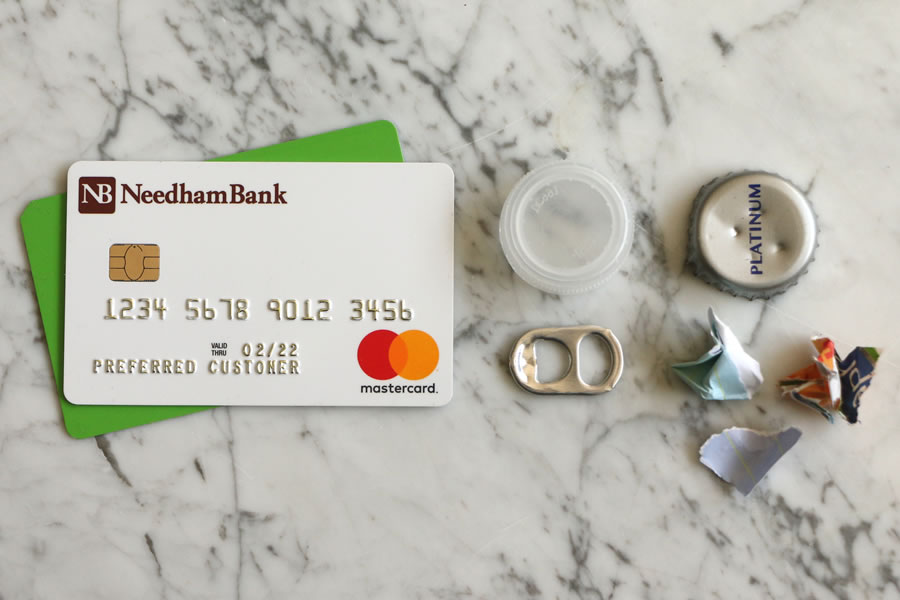
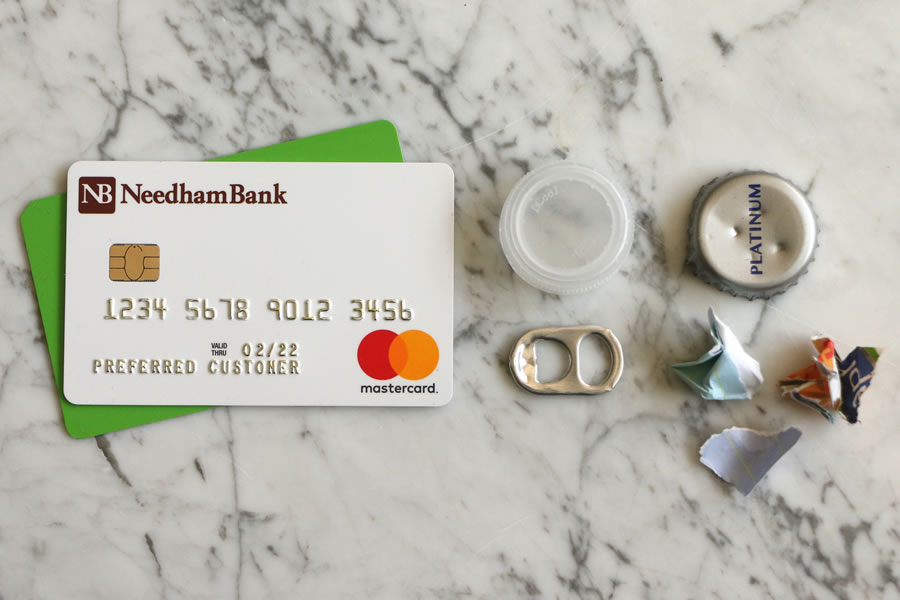
Do not recycle anything smaller than a credit card
Small pieces like bottle caps, shredded paper scraps, and soda can tabs can jam recycling machinery and slip through sorting screens. The credit card test is your friend here: if an item is smaller than a standard credit card, skip the recycling bin and put it in the trash. It sounds counterintuitive when you are trying to do the right thing, but getting small items into the waste stream correctly matters more than the gesture of recycling them.
Use the credit card test: if an item is smaller than a credit card, it goes in the trash, not the recycling bin.
3
Keep things loose and never bag your recyclables
Bagging recyclables creates a problem at the sorting facility, especially when the bag itself is not recyclable. Workers cannot see what is inside, and bags wrap around machinery and cause shutdowns. Keep everything loose in the bin unless your local recycling program specifically tells you otherwise. The one exception is shredded paper, which can be placed inside a paper bag before going in the bin to keep the small pieces contained.
4
Empty, clean, and dry: make it your recycling motto
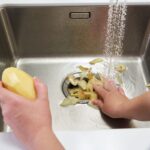
Food and drink containers make up the bulk of most household recycling, and they are also the most common source of contamination. A single food-soiled container can taint an entire truckload. Before anything goes in the bin, ask yourself: is it empty, clean, and dry? That sticky peanut butter jar, the ketchup bottle with residue, the oil container that was not fully drained — all of them need a rinse first. When in doubt, throw it out.
5
Know what you can and cannot recycle
A quick visual guide to what belongs in your home recycling bin and what does not.
Here is a breakdown of what is generally accepted and what is not. Always check with your local municipality, as rules vary by region.
✔ What you CAN recycle (when empty, clean, and dry):
Paper: Newspapers, magazines, mail, office paper, and notebook paper. No wet, sticky, or multi-material paper (sticky notes, bubble wrap mailers, windowed envelopes, used coffee cups).
Cardboard: Clean moving boxes, shipping boxes, cereal and cracker boxes, juice and milk cartons rinsed out. For pizza boxes, tear off the greasy side and recycle the clean half.
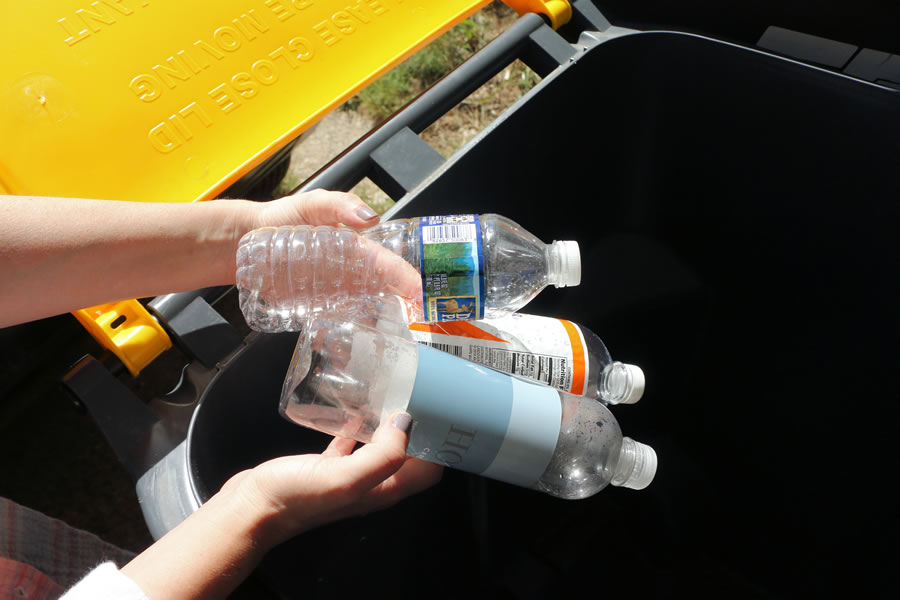
Plastic bottles and jugs: Empty, clean, and dry only. Use the poke test: if your finger goes through the plastic, it is too thin to recycle. That rules out sandwich bags, plastic wrap, and grocery bags. Most grocery stores have drop-off bins for plastic bag recycling.
Aluminum cans and tin cans: Soda cans, soup cans, tuna cans, bean cans — rinse and tip to drain before tossing in. Clean, uncontaminated aluminum foil is also acceptable.
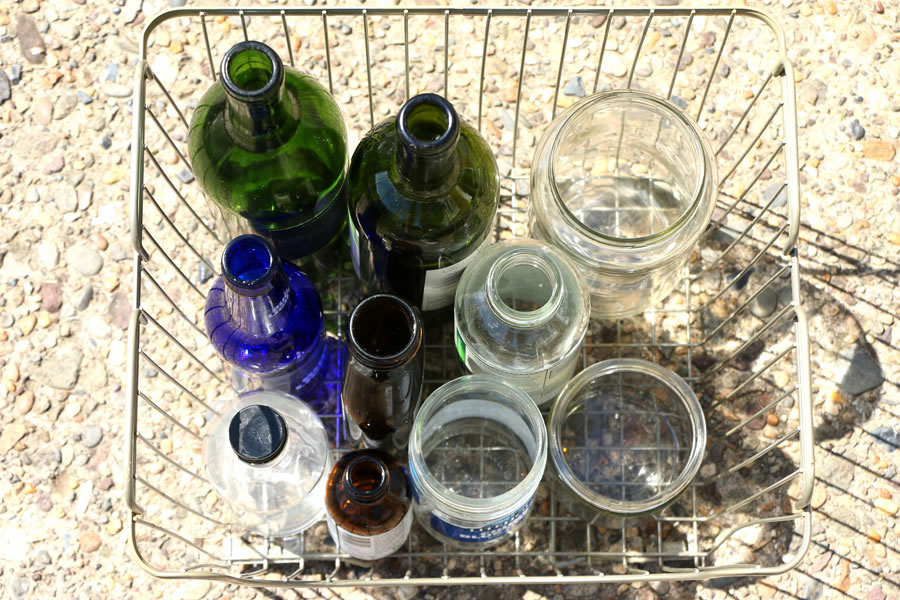
Glass (check locally): Glass is recyclable but not all municipalities accept it curbside. Never put broken glass in the recycling bin — it is a safety hazard for workers and can damage machinery.
❌ What you CANNOT recycle curbside:
Batteries and electronics (require special drop-off — see tip 7)
Food or food-contaminated items of any kind
Foam and styrofoam
Single-use utensils, paper plates, napkins, or paper towels
Plastic sandwich bags, plastic wrap, or plastic grocery bags
Clothing or shoes (donate instead)
Razor blades, bottle caps on their own, or soda can tabs on their own
Diapers, medical waste, or yard waste
Glass recycling rules vary by location. Always check with your local program before putting glass in the curbside bin.
6
Give your recycling bin the sniff test
If opening your recycling bin makes you wrinkle your nose, it needs attention. Odors are almost always the result of food-contaminated items that were not rinsed before going in. For light residue, a rinse with the hose is usually enough. For sticky buildup, scrub the inside with dish detergent, then tip it upside down to drain and dry completely before filling it again. A clean bin means cleaner recyclables, which means a better chance they actually get processed.
7
Handle batteries and electronics the right way
Batteries and electronics should never go in your curbside bin. They require special handling to avoid fire hazards and environmental contamination. Most major retailers accept them for drop-off: Best Buy, Staples, and Home Depot all have in-store collection programs for common electronics and batteries. Many municipalities also run periodic e-waste collection events. Check Earth911.com or your local waste management website to find the nearest drop-off location for specific items.
See also
8
Always check your local recycling rules
Recycling rules are not universal. What is accepted curbside in one city may go straight to landfill in the next because the local facility cannot process it. Glass is the most common example, but plastic types, cartons, and even certain paper products vary by municipality. Before you assume something is recyclable, check your local waste management website or use the EPA’s recycling resources to find guidance specific to your area. Getting this right matters more than recycling more.
9
Reduce and reuse before you recycle
Recycling is valuable, but it sits at the bottom of the waste hierarchy for a reason. Reducing the waste you create in the first place and finding ways to reuse what you have are both more impactful. Small habit changes add up quickly over time and shrink your footprint without requiring much effort. Our guide to eco-friendly cleaning is a good place to start if you want to cut down on single-use packaging at home.
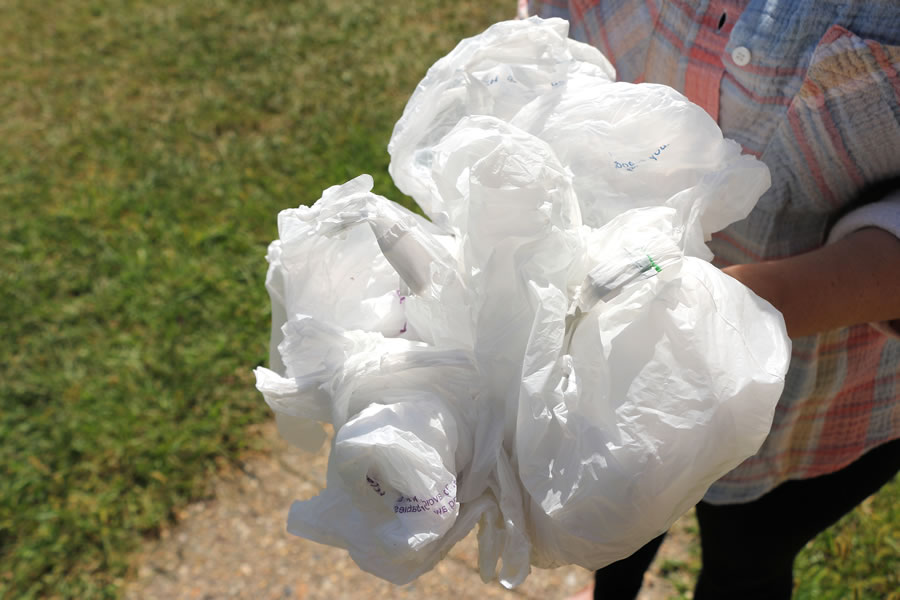
Plastic bags cannot go in your curbside bin. Most grocery stores have dedicated drop-off bins for plastic bag recycling.
Easy ways to reduce waste at home:
Switch to reusable tote bags for grocery shopping
Use a reusable stainless steel water bottle
Pack lunch in reusable containers instead of single-use bags
Meal plan to cut down on takeout packaging waste
Reuse glass food jars for storage or freezing soups and sauces
Donate or repair items instead of throwing them away
Start a compost bin for food scraps and yard waste
Choose products with minimal or recyclable packaging when shopping
Get kids involved and make recycling a family habit
The habits we build early tend to stick. Getting children involved in recycling at home is one of the most effective ways to make it a lasting household routine. Republic Services launched Recycling Simplified to make learning about recycling easier for everyone, with step-by-step lesson plans, activities, videos, and take-home materials designed for kids from pre-K through high school. It is a great resource whether you are a parent looking to make it part of daily life or a teacher wanting classroom-ready content. Visit RecyclingSimplified.com for videos, tips, and printable guides.
Better Living may earn commissions through affiliate links and may occasionally feature sponsored or partner content. If you make a purchase through our links, we may receive a small commission at no cost to you.