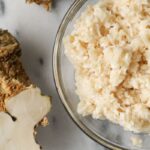
Peanut butter has one of the best reputations in the pantry: cheap, protein-rich, and seemingly immortal. That reputation is mostly earned, but “mostly” is doing some work in that sentence. There is a real difference between how long peanut butter stays pleasant to eat and how long it stays exactly what the label says it is, and two separate safety issues that have nothing to do with how long the jar has been open.
Does peanut butter go bad?
The short answer: Yes, but slowly. Peanut butter’s low moisture and high fat content make it naturally resistant to bacterial spoilage, so what actually happens over time is oxidation of the oil, which turns the peanut flavor stale and eventually rancid. Commercially stabilized peanut butter typically holds up for roughly 6 to 9 months unopened and about 3 months once opened at room temperature, longer if refrigerated, figures that line up with guidance from Ohio State University Extension. Natural peanut butter, without stabilizers, spoils faster and is best refrigerated after opening. Separately, peanuts are one of the foods most associated with aflatoxin, a mold-produced toxin regulated by the FDA, and some sugar-free peanut butters contain xylitol, which is safe for people but can be fatal to dogs. Both are worth knowing regardless of how fresh your jar is.
For general guidance on storing pantry staples, see the food storage guide, and for refrigeration specifically, see the companion guide to whether peanut butter needs to be refrigerated.
📋 Does Peanut Butter Go Bad: At a Glance
| Commercial (stabilized), pantry, unopened | Roughly 6 to 9 months, some brands rate longer |
| Commercial, pantry, opened | Roughly 3 months |
| Commercial, refrigerated, opened | Up to about 9 months |
| Natural (no stabilizer), opened | A few weeks pantry; refrigerate for best results |
| Natural, refrigerated | Roughly 6 months, opened or unopened |
| Signs of spoilage | Rancid, paint-like smell; bitter taste; dried out texture |
| Normal, not spoilage | Oil separation in natural peanut butter |
| Separate risks to know about | Aflatoxin (regulated, low risk); xylitol (fatal to dogs, check labels) |
Key Takeaways
- Peanut butter’s low moisture and high fat make bacterial spoilage rare; the real enemy is oxidation of the oil, which causes rancidity over time.
- Commercially stabilized peanut butter (with hydrogenated oil and preservatives) lasts noticeably longer than natural peanut butter made from just peanuts and salt.
- Oil separating to the top of a jar of natural peanut butter is completely normal and not a sign of spoilage; simply stir it back in.
- Peanuts are among the foods most susceptible to aflatoxin contamination, a mold-produced toxin the FDA strictly regulates, though the risk from commercial U.S. peanut butter is very low.
- Some sugar-free or “keto” peanut butters contain xylitol, an artificial sweetener that is harmless to people but can be fatal to dogs, even in small amounts.
- By U.S. law, anything labeled “peanut butter” must be at least 90 percent peanuts, a detail most people never think about but that shapes what is actually in the jar.
Why Peanut Butter Goes Bad: The Science of Oil Oxidation
The Science: Fat Oxidation, Not Bacteria, Is the Main Threat
Peanut butter is roughly 50 percent fat and less than 2 percent water, and that combination is exactly why it resists the kind of bacterial spoilage that affects moist foods. Bacteria need water to grow, and peanut butter simply does not offer enough of it. What peanut butter does have in abundance is unsaturated fat, mostly monounsaturated and polyunsaturated oils, and those fats slowly react with oxygen in the air through the same lipid oxidation process that makes any nut, seed, or vegetable oil eventually turn rancid. This reaction produces the sharp, paint-like or crayon-like smell and bitter taste that signal old peanut butter, and it speeds up with heat, light, and air exposure, which is why a jar left open near a warm stove ages faster than one sealed in a dark, cool cabinet. Commercially processed peanut butter slows this process down with fully hydrogenated vegetable oil, which keeps the natural oil from separating and rising to the top, plus preservatives like sodium benzoate that add further protection. Older peanut butter recipes and some outdated references still mention partially hydrogenated oil, but the FDA removed it as an allowed stabilizer in the legal standard of identity for peanut butter in a rule that took full effect in December 2023, because partially hydrogenated oils are a source of artificial trans fat; only fully hydrogenated oil, which does not contain trans fat, is permitted now. Natural peanut butter, without any of these additives, is more exposed to oxidation from the start, which is the entire reason it has a shorter shelf life and separates in the jar.
Natural vs Commercial Peanut Butter: Why the Difference Matters
The gap between a jar of natural peanut butter and a jar of conventional peanut butter comes down almost entirely to a handful of added ingredients. Conventional peanut butter includes fully hydrogenated vegetable oil to keep the texture smooth and stable, along with sugar and preservatives, all of which extend shelf life considerably. Natural peanut butter typically contains just peanuts and salt, sometimes not even that, which means nothing is stopping the oil from rising to the surface or slowing down its gradual oxidation. Neither version is inherently unsafe; the difference is purely about how long each one holds its quality and how it needs to be stored. If you buy natural peanut butter regularly, refrigerating it after opening is the single most effective way to close that gap.
Tip: Store natural peanut butter upside down
Flipping an unopened or freshly opened jar of natural peanut butter upside down for a day lets gravity redistribute the oil more evenly through the solids, so you spend less time stirring later. This is a texture trick, not a safety measure, but it makes natural peanut butter meaningfully easier to live with day to day, whether you are using it for a sandwich or stirring it into a protein-rich meal.
How to Store Peanut Butter to Make It Last
Pantry storage
Both conventional and natural peanut butter can start in a cool, dry pantry shelf away from the stove, oven, or a sunny window, since heat and light are what accelerate oxidation fastest. Conventional peanut butter can generally stay in the pantry for its full shelf life, opened or not, thanks to its stabilizers. Natural peanut butter can sit in the pantry short-term, but its clock runs noticeably faster once opened.
Refrigerator storage
Refrigeration is optional for conventional peanut butter but meaningfully extends its quality, and it is close to a requirement for natural peanut butter once the jar has been opened, since cold significantly slows the oxidation reaction responsible for rancidity. The main downside is texture: cold peanut butter is stiffer and harder to spread, which is why many people let a spoonful sit at room temperature for a few minutes before using it, or simply keep a small working jar in the pantry and the bulk supply refrigerated.
How to Tell If Peanut Butter Has Gone Bad
Signs of Rancid Peanut Butter
Rancid peanut butter announces itself mainly through smell and taste rather than appearance. Fresh peanut butter smells nutty and slightly sweet; rancid peanut butter smells sharp and chemical, often compared to paint, crayons, or old cardboard, and tastes bitter or metallic rather than its usual richness. The texture may also turn dry, hard, or crumbly instead of creamy. None of this is dangerous in a small bite, but rancid oil is unpleasant and has lost most of its nutritional value, so it is not worth eating on purpose. Mold, while rare given how little moisture peanut butter contains, is a different matter entirely: if you see any fuzzy growth, especially in natural peanut butter that has picked up moisture, discard the whole jar immediately rather than scraping around it.
See also
Aflatoxin: A Genuine Peanut-Specific Risk, Managed by Regulation
Why Peanuts Specifically Carry This Risk
This is unrelated to how long a jar has been open, but it is worth understanding since peanuts are one of the crops most associated with it. Aflatoxins are toxic compounds produced by certain molds, mainly Aspergillus flavus, that can grow on peanuts in the field or during storage, particularly in warm, humid conditions. Aflatoxin B1 is classified as a human carcinogen, primarily linked to liver cancer with long-term high exposure. Because of this, the FDA treats peanut products with total aflatoxin levels above 20 parts per billion as adulterated and subject to seizure, and U.S. peanut processors routinely sort, blanch, and test peanuts specifically to remove contaminated kernels before they reach a jar of peanut butter. The FDA has stated that there has never been a documented human illness outbreak from aflatoxin in U.S. food, a track record reflecting how tightly the domestic peanut supply is screened. This is not a reason to avoid commercial peanut butter from established U.S. brands, which are tested well below the legal limit; it is simply a fact about peanuts worth knowing, and one more reason storing peanuts and peanut products in a cool, dry place matters, since heat and humidity are exactly what allow the responsible mold to grow in the first place.
Xylitol in Peanut Butter: Harmless to People, Dangerous to Dogs
Always Check the Label Before Sharing Peanut Butter With a Dog
Peanut butter is one of the most common ways people give dogs medication, fill a puzzle toy, or just offer a treat, which makes this worth knowing even if you never eat sugar-free food yourself. Some reduced-sugar, “keto,” or diabetic-friendly peanut butters use xylitol, a sugar alcohol that is completely safe for humans but highly toxic to dogs. According to the ASPCA Animal Poison Control Center, xylitol triggers a rapid insulin release in dogs that causes dangerously low blood sugar, and can also cause liver damage in larger amounts; symptoms include vomiting, weakness, loss of coordination, and in serious cases seizures or liver failure. Xylitol is sometimes listed under other names, so check ingredient labels for “birch sugar” or anything containing “xyl” as well. If you keep peanut butter around for a dog, whether for pilling, a lick mat, or a senior dog’s daily routine, the safest choice is a plain jar where peanuts are the only real ingredient, and it is worth rechecking the label if you switch brands, since formulations change.
Did you know: peanut butter has a legal definition, and it recently changed
Under FDA regulation 21 CFR 164.150, any product sold in the United States as “peanut butter” must be at least 90 percent peanuts by weight, with the remaining 10 percent limited to salt, sweeteners, and fully hydrogenated vegetable oil; artificial flavors, artificial sweeteners, and color additives are not allowed at all. Products that fall short of that threshold have to be labeled “peanut spread” instead. It took the FDA over a decade of hearings to settle on that 90 percent figure, but the standard itself has kept changing since: as recently as December 2023, the FDA finalized a rule removing partially hydrogenated oil as an allowed ingredient in peanut butter specifically because of its trans fat content, leaving fully hydrogenated oil, which has none, as the only hydrogenated option still permitted.
| Form | Pantry | Refrigerator |
|---|---|---|
| Commercial (stabilized), unopened | 6 to 9 months, some brands longer | Not necessary |
| Commercial, opened | About 3 months | Up to about 9 months |
| Natural, unopened | Several months, sources vary | About 6 months |
| Natural, opened | A few weeks, best used quickly | About 6 months |
Frequently Asked Questions
Does peanut butter go bad?
Yes, eventually, but through rancidity rather than bacterial spoilage, since its low moisture and high fat content make it a poor environment for bacteria. Over months, the oil in peanut butter slowly oxidizes, leading to a stale then rancid taste and smell rather than a sudden safety issue.
How long does unopened peanut butter last?
Commercially stabilized peanut butter typically lasts roughly 6 to 9 months in the pantry unopened, and some brands rate their products for longer. Natural peanut butter without stabilizers generally has a shorter unopened shelf life, on the order of several months.
Commercial, stabilized peanut butter does not need refrigeration and can safely live in the pantry for its full shelf life. Natural peanut butter benefits significantly from refrigeration once opened, since it lacks the preservatives and stabilizers that slow oxidation in conventional jars. See the full breakdown in the guide to whether peanut butter needs to be refrigerated.
How can you tell if peanut butter has gone bad?
Smell and taste are the most reliable signs. Rancid peanut butter smells sharp and chemical, often compared to paint or crayons, and tastes bitter instead of nutty and sweet. A dry, hard, or crumbly texture is another sign. Visible mold means the jar should be discarded immediately.
Is it normal for peanut butter to separate?
Yes, especially in natural peanut butter without added stabilizers. The oil rises to the top over time because nothing is holding the emulsion together. This is a texture issue, not spoilage; stir it back in, or store the jar upside down to redistribute the oil more evenly before opening.
Is it safe to eat peanut butter past its best-by date?
Usually yes. The best-by date reflects peak quality rather than a hard safety cutoff, and peanut butter’s low moisture content means it rarely becomes actively unsafe just from aging. Check for the smell, taste, and texture signs of rancidity described above before deciding whether to keep using an older jar.
What is aflatoxin, and should I worry about it in peanut butter?
Aflatoxin is a toxin produced by certain molds that can grow on peanuts, especially in warm, humid growing or storage conditions. The FDA strictly regulates it, treating peanut products above 20 parts per billion as adulterated, and U.S. peanut processors test and sort peanuts specifically to remove contamination. Commercial U.S. peanut butter from established brands carries very low risk as a result.
Is peanut butter safe for dogs?
Plain peanut butter in moderation is generally fine for most dogs, but always check the ingredient label first. Some sugar-free or “keto” peanut butters contain xylitol, which is safe for people but can cause dangerously low blood sugar and liver damage in dogs, even in small amounts. Choose a jar where peanuts are the only significant ingredient before sharing it with a pet.
What’s the difference between natural and regular peanut butter?
Regular, commercially processed peanut butter contains added fully hydrogenated vegetable oil, sugar, and preservatives, which prevent oil separation and extend shelf life considerably. Natural peanut butter is typically just peanuts and salt, which means it separates in the jar and spoils faster, but by U.S. law both must still be at least 90 percent peanuts to be called peanut butter.
Can you freeze peanut butter?
Yes, both natural and commercial peanut butter freeze reasonably well and freezing further slows the oxidation that causes rancidity. Texture may firm up and become slightly harder to spread straight from frozen, so many people thaw it in the refrigerator or let it sit at room temperature briefly before using it.
Can eating rancid peanut butter make you sick?
A small amount of rancid peanut butter is unlikely to cause acute illness, but it tastes unpleasant and has lost much of its nutritional value, since the oxidation that causes rancidity breaks down the same fats and some of the vitamin content that make peanut butter worthwhile. It is best treated as a quality issue to avoid rather than something to eat through.
Does peanut butter still contain trans fat?
No, not from added oils. Peanut butter used to sometimes contain partially hydrogenated oil, the primary source of artificial trans fat, but the FDA finalized a rule in December 2023 removing partially hydrogenated oil from the legal standard of identity for peanut butter entirely. Any hydrogenated oil used as a stabilizer today must be fully hydrogenated, which does not contain trans fat.
Further Reading
Once you have peanut butter that is genuinely fresh, it earns its place well beyond the sandwich. A spoonful stirred into a smoothie or oatmeal adds protein and healthy fat without much extra effort, and it works just as well in savory applications like a peanut sauce for noodles or a quick marinade. If you are working peanut butter into a broader high-protein routine, it pairs naturally with the other ideas in the guide to lean protein sources. And if peanut butter is a regular part of your pet’s routine as much as your own, it is worth bookmarking the label-checking habit alongside general senior dog health tips, since ingredient lists change more often than most people expect.
Better Living may earn commissions through affiliate links and may occasionally feature sponsored or partner content. If you make a purchase through our links, we may receive a small commission at no cost to you.