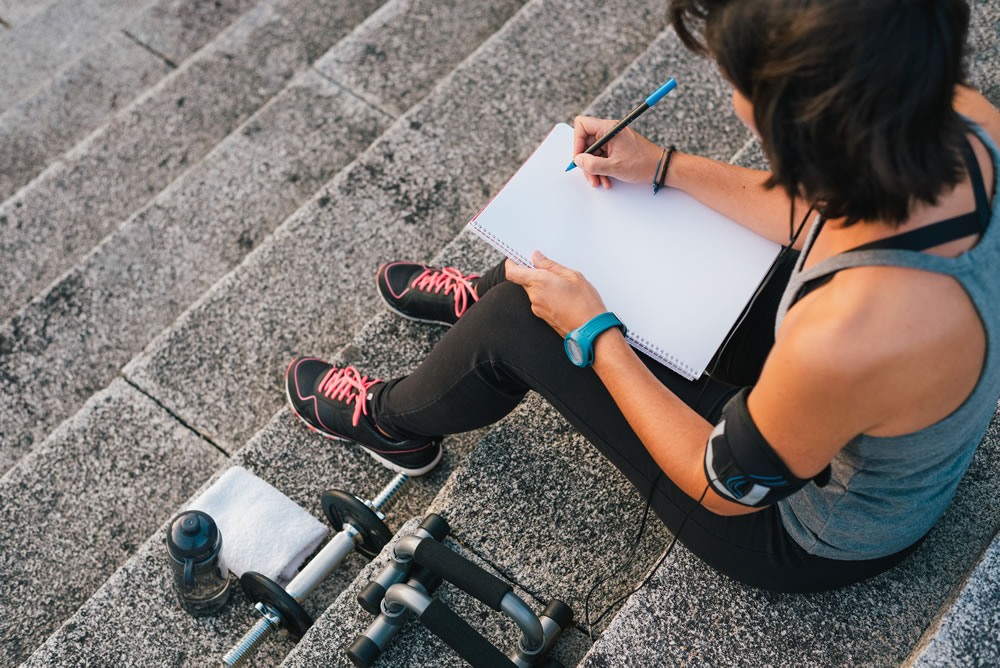
I’ve been where you are right now. Staring at my dusty sneakers. Making excuses. Promising myself I’d start “next Monday.” Again.
You used to work out. Maybe you were even pretty good at it. Then life happened. Work got crazy. Kids needed you. An injury sidelined you. Or honestly? You just… stopped.
Now you can’t remember the last time you broke a sweat, and the thought of starting over feels impossible. Your energy is terrible. Your favorite jeans don’t fit quite right. You get winded halfway up a flight of stairs.
Here’s what I learned after helping hundreds of people (and myself) restart fitness after months or years away: You don’t need motivation. You need a system. And you definitely don’t need to be perfect.
The good news? Getting back in shape is actually easier than you think when you know what actually works. Let me show you.
Why You Should Start Exercising Again (Beyond Looking Good)
Look, I know you want to drop some pounds and feel better in your clothes. Nothing wrong with that. But let me tell you about the other stuff that happens when you start moving again, because this is what keeps you going when motivation fades.
It May Help You Live Longer
The American Heart Association’s journal Circulation reports that upwards of 250,000 deaths in the United States each year are associated with a sedentary lifestyle and lack of physical activity. [1]
And even a small amount of exercise can provide benefits. We’re talking just 11 minutes a day.
A study published in the British Journal of Sports Medicine found the lifespans of sedentary people significantly improved after doing just 11 minutes a day of moderate-to-vigorous activity. [2] Eleven minutes. You probably spent longer than that scrolling your phone this morning.
You’ll Build Muscle and Burn Fat
If you stick with an exercise and strength training program, and you’re eating enough protein, your body will respond by building more muscle to adapt.
More muscle means you’ll get stronger and reduce the risk of injury, but it will also help support your joints, improve bone density, and boost immunity. [3], [4], [5]
Increasing muscle also raises your body’s metabolic rate, encouraging it to burn more fat. [6], [7]
💪 Real talk: Per pound, muscle burns 7 to 10 calories daily while fat burns only two to three. This means the more muscle you build, the more you can eat without gaining weight. Yes, really.
It’s Great For Your Heart
Exercising regularly can reduce the risk of type 2 diabetes, which is also a risk factor for heart disease. [8]
Studies show that exercising regularly can improve cholesterol levels and reduce the risk of cardiovascular diseases like high blood pressure. [9], [10], [11]
Exercise also stimulates nitric oxide in the body, which promotes healthy blood pressure by relaxing and expanding blood vessels. This means your heart doesn’t have to work as hard. [12]
It Will Boost Your Mood (This One Surprised Me)
Studies show that exercise can help ease anxiety and depression while lowering stress hormones like cortisol that can trigger weight gain. [13], [14]
🧠 This is huge: A major 2026 review analyzing 73 randomized controlled trials found that exercise can ease depression about as effectively as psychological therapy. Not “helps a little.” About as effective as actual therapy. With few side effects.
Research also shows that exercise can improve sleep quality while also improving focus, productivity, self-confidence, and body image. [15], [16]
I’m not saying exercise will solve all your problems. But when I’m consistent with it? I sleep better. I’m less snappy with my family. I have more energy for the stuff that matters. For more on this, check out how movement transforms your mental health.
Your Exact 4-Week Restart Plan (No Guessing Required)
Forget complicated 12-week programs you’ll quit by day 5. Here’s exactly what to do if you haven’t exercised in months or years. I’ve used this with hundreds of people and it works.
Week 1: Just Show Up
Your only goal: Build the habit without overwhelming yourself
- Walk 10 minutes daily (yes, that’s literally it)
- Do 5 minutes of gentle stretching
- Focus on consistency, not intensity
What you’ll actually feel: Less stiff when you get out of bed. Slightly more energized. Proud you showed up.
Week 2: Add Just a Little
Your goal: Start challenging your body (gently)
- Walk 15 minutes daily
- Add ONE 20-minute strength session (bodyweight is fine)
- Try basic moves: squats, push-ups (wall or knee), planks
What you’ll actually feel: Some muscle soreness (that’s good, it means it’s working!). Better sleep. Maybe even looking forward to tomorrow’s walk.
Week 3: This Is Where It Clicks
Your goal: Establish your actual routine
- Walk 20 minutes, 5 days per week
- TWO 25-minute strength sessions
- Add variety: try a fitness video or new activity you’re curious about
What you’ll actually feel: Noticeably more energy. Clothes fitting better. Your partner asking “Have you lost weight?” (Yes. Yes you have.)
Week 4: You’re Not a Beginner Anymore
Your goal: Transition to your long-term routine
- 30 minutes cardio, 5 days per week
- THREE strength sessions (full body or split routine)
- Start tracking progress and setting bigger goals
What you’ll actually feel: Stronger. More confident. Actually proud of yourself. And here’s the thing: you’ll want to keep going.
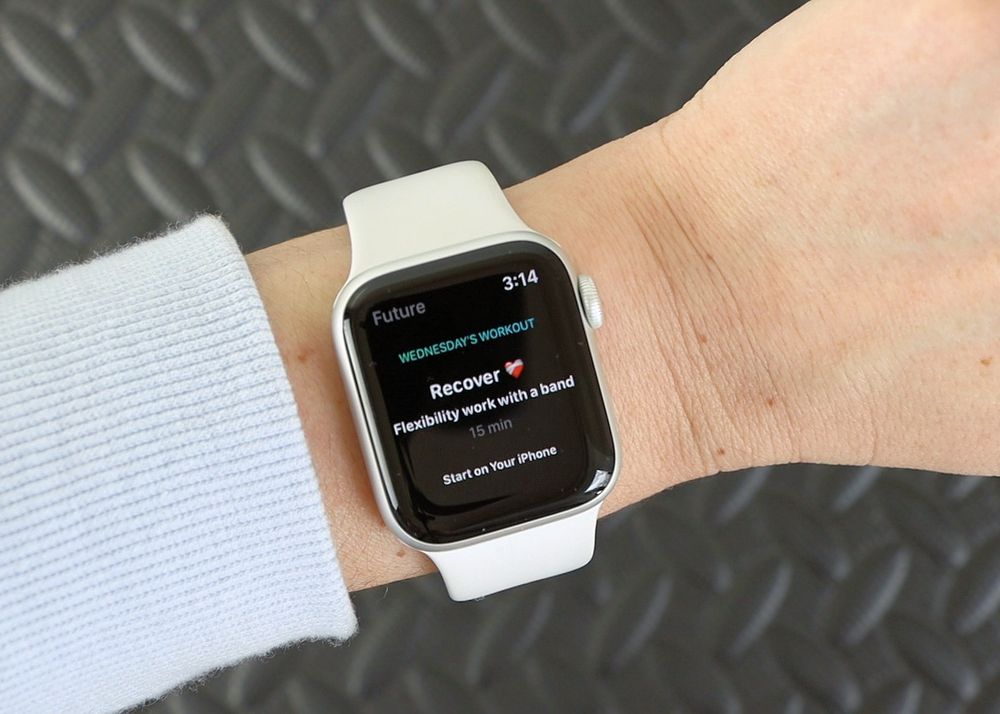
This is where most people ask: “But what exercises should I actually do? How do I know if my form is right?” Fair questions. Honestly, this is where having someone who knows their stuff program your workouts makes a huge difference. I use Future for my own training, and having a real coach design my workouts (and check in on me daily) was the difference between another failed restart and actually sticking with it this time.
When You’ll Actually See Results (Real Timeline)
Let me be straight with you: you can’t put a day and time on when you’ll be “fit.” It depends on your age, how long you’ve been inactive, your genetics, and how consistent you are.
But here’s what research and experience tell us:
⏱️ Your Realistic Timeline:
Within 2 weeks: You’ll feel it. Less winded climbing stairs. More energy for your day. Better mood.
At 4-6 weeks: You’ll notice physical changes. Pants fit better. You can see definition coming back. Friends start commenting.
At 8-12 weeks: Visible transformation. You look different in photos. Old clothes fit again. You feel like yourself again.
At 3-4 months: Complete overhaul. This is when it really clicks and exercise becomes part of who you are. [17]
Your timeline also depends on how long you’ve been away:
| Time Away | Time to Get Back | Real Talk |
|---|---|---|
| 2-4 weeks off | 1-2 weeks | You’ll bounce back fast, barely lost anything |
| 2-6 months off | 4-8 weeks | Noticeable decrease, but your body remembers |
| 6+ months off | 8-12 weeks | Basically starting over, but that’s okay |
| Years off or never exercised | 3-6 months | Be patient. Every small win counts. |
And listen: those fitness influencers you see on Instagram? They’ve been at it for years. Many use filters. Some are on… let’s call them “supplements.” Don’t compare your Week 2 to their highlight reel.
Just focus on being better than you were yesterday. That’s all that matters.
How Often Should You Actually Exercise?
The official recommendation? 150-300 minutes per week of moderate-intensity exercise or 75-150 minutes of vigorous-intensity aerobic activity.
The Mayo Clinic says at least 300 minutes for weight loss and maximum health benefits. [18]
My practical take? Start with what you can actually do consistently. Three 30-minute sessions is infinitely better than an ambitious 7-day plan you quit by Wednesday.
Mix cardio (walking, jogging, cycling) with strength training at least twice a week. Add some stretching and mobility work. That’s it. Don’t overthink it.
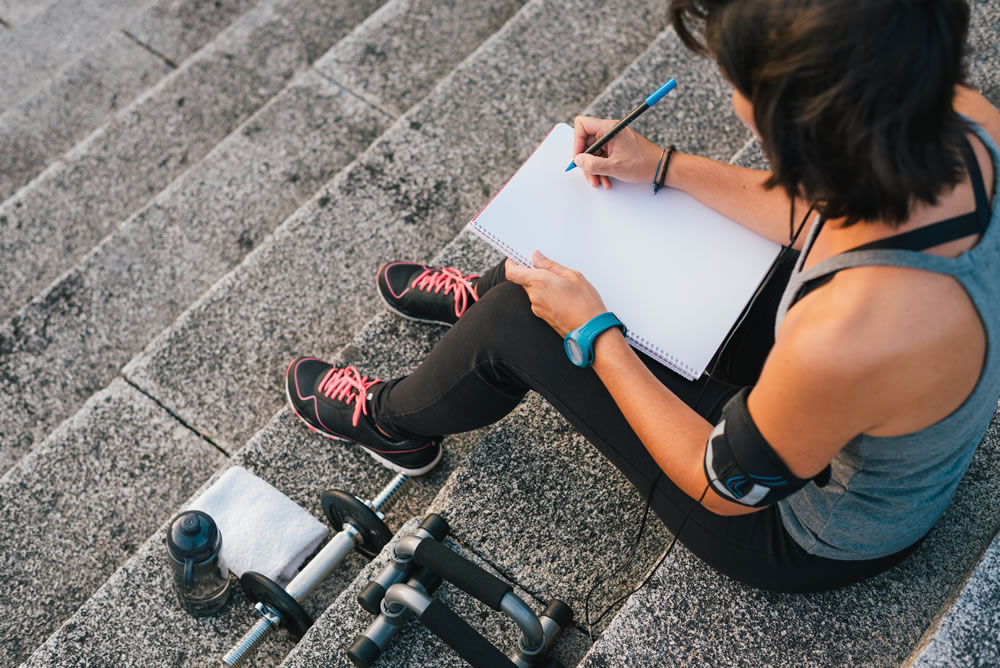
10 Ways to Start Exercising Again (And Actually Stick With It This Time)
This is where most articles give you generic advice like “set goals” and “stay motivated.” I’m going to tell you what actually works based on real experience.
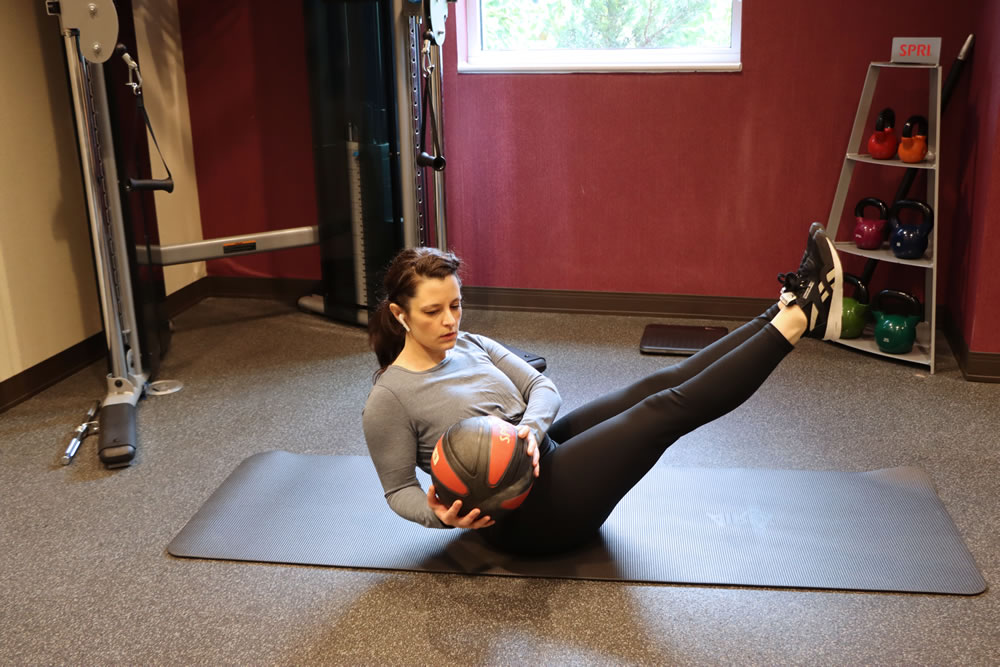

If You’re Over 40 or 50 (Read This Part)
Age changes things. Your body doesn’t bounce back like it did at 25. But that doesn’t mean you can’t get in great shape. You just need to be smarter about it.
See also

Restarting After 40
What’s different: You lose about 1-2% of muscle mass per year after 40. Your metabolism slows down. Recovery takes longer. Hormones shift.
What to do about it:
- Make strength training non-negotiable (2-3x per week minimum)
- Add an extra rest day between hard workouts
- Focus on form over heavy weight at first
- Stretch and do mobility work daily (your joints will thank you)
- Eat more protein (aim for 0.8-1g per pound of body weight)
- Be patient with yourself
The good news: Studies show people over 40 can build muscle just as effectively as younger people. You’re not too old. You just need to be strategic.
Check out our guide on training strategies for men over 40 for more specific advice.
Restarting After 50
What’s different: Bone density decreases. Balance becomes crucial. Chronic conditions may appear. Muscle loss accelerates.
What to do about it:
- Strength training is your insurance policy against falls and frailty
- Add balance exercises to every workout (single-leg stands, heel-to-toe walks)
- Focus on functional movements (squats, getting up from the floor, pushing, pulling)
- Start lighter than you think you need to
- Progress conservatively (add weight or reps slowly)
- Consider working with a trainer who specializes in mature athletes
The good news: Research shows it’s never too late. Even people in their 80s can build muscle and strength with proper training. Never. Too. Late.
For Women: Perimenopause & Menopause
If you’re in perimenopause or menopause, listen up because this matters.
What happens: Estrogen drops, which affects muscle mass, bone density, metabolism, and how your body stores fat.
What helps:
- Heavy strength training (yes, heavy) to preserve bone density
- Even more protein (25-30g per meal)
- Exercise helps manage hot flashes, mood swings, and sleep issues
- Don’t fear “bulking up” – it’s actually harder to build muscle now, so lift heavy
- Be patient with weight loss (it’s slower, but it’s possible)
Recent research shows exercise significantly reduces menopause symptoms and improves quality of life during this transition. It’s worth it.
A Few More Tips That Actually Matter
Make a killer playlist: Studies show that music with faster beats makes you exercise harder without feeling like you’re working harder. [24] I have a “workout” playlist that gets me hyped every single time.
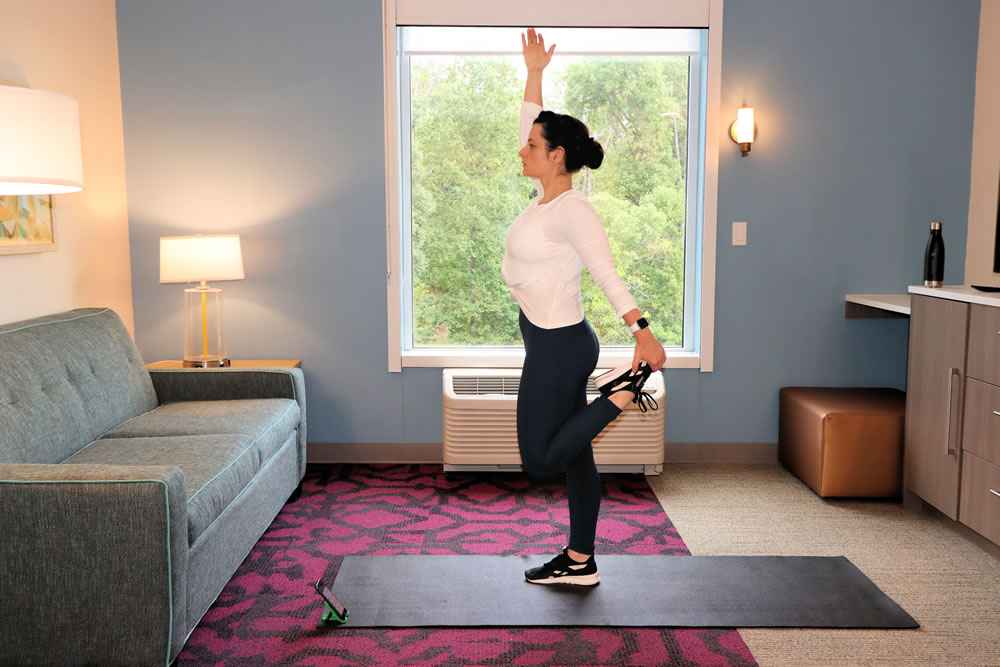
Don’t skip the warm-up: Five minutes of easy movement prepares your muscles and prevents injury. Cold muscles tear easier. Just walk for five minutes or do some light stretching.
Actually cool down and stretch: After your workout, take five minutes to walk slowly and stretch. It helps with recovery and reduces soreness. Stretching should feel good, not painful.
Mix up your routine: If you do the same workout every time, your body adapts and you plateau. Vary the intensity, try new activities, add some HIIT sessions. [23] Keep your body guessing.
Track your progress: Get a fitness watch or use your phone. Seeing your steps, workouts, and progress is incredibly motivating. Plus it’s cool to look back and see how far you’ve come.
When You Need More Than Articles and YouTube Videos
Look, I can give you all the tips in the world. But sometimes what you really need is someone in your corner. Someone who knows what they’re doing. Someone who’ll hold you accountable when motivation fades.
You could hire a personal trainer at a gym. That works for some people. But it’s expensive, requires you to be at the gym at specific times, and honestly? A lot of trainers just give you the same cookie-cutter program they give everyone.
This is where I’m going to be completely honest with you about what worked for me.
What Finally Made Exercise Stick For Me
I tried everything. Gym memberships I never used. Fitness DVDs that collected dust. Apps with generic workouts. I’d start strong and quit within weeks. Every. Single. Time.
Then I tried Future.
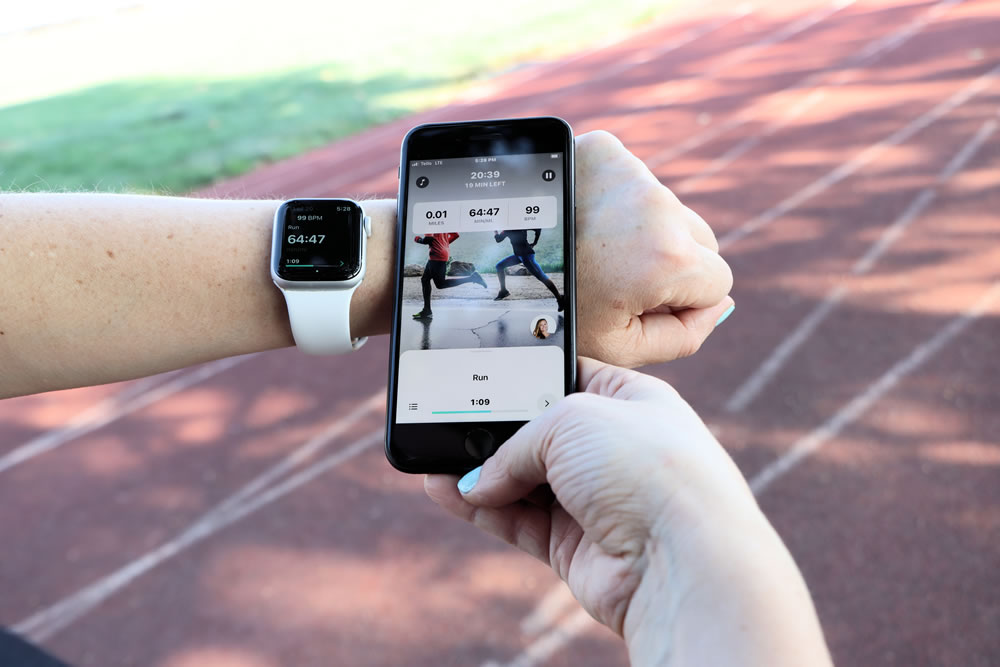
It’s a remote personal training app where you get paired with an actual elite coach (over 80% have trained pro, Olympic, or collegiate athletes). Not a bot. Not an algorithm. A real human who becomes your coach.
Here’s what made the difference for me:
- My coach designed workouts specifically for my goals, my fitness level, and what equipment I had
- The workouts updated weekly so I never got bored
- My coach messaged me every day. Checked in before workouts. Gave feedback after. Adjusted things when I was sore or traveling
- It felt like having a friend who knew exactly what I needed to do to get in shape
- I could work out anywhere: home, gym, park, hotel room while traveling
- The daily accountability kept me showing up even when I didn’t feel like it
The app isn’t cheap. But it’s way less than a traditional personal trainer, and honestly? It’s the only thing that’s ever worked for me long-term.
If you’re tired of starting and stopping, tired of not knowing what you should actually be doing, and you need someone to guide you and keep you accountable, read my full Future review here.
I break down exactly how it works, what it costs, whether it’s worth it, and who it’s actually good for. I’m a Future ambassador because I genuinely believe in it, not because I’m trying to sell you something you don’t need.
For more on different coaching options, check out the advantages of remote training, whether coaching fits your lifestyle, or gym vs remote training comparison.
Future Fitness App Pricing & Current Deals
Current Pricing: Future typically runs $199/month (about $6.50/day), but they frequently offer special promotions for new users—including up to 75% off your first month.
Better Living Reader Exclusive: Check here for the latest Future deals available to our community.
30-Day Money-Back Guarantee: Not satisfied? Get a full refund. Cancel anytime with no long-term commitment.
Your Questions Answered
How long does it really take to get back in shape?
You’ll feel better within 2 weeks. Physical changes show up at 4-6 weeks with consistent effort. Visible transformation happens around 8-12 weeks. Complete fitness overhaul takes 3-4 months. But here’s the thing: it depends on how long you’ve been inactive, your age, and how consistent you are. The timeline in this article gives you realistic expectations based on recent research.
What if I haven’t exercised in years?
Then you start with Week 1 of the 4-week protocol. Ten minutes of walking. That’s it. Don’t try to make up for lost time in week one. Start embarrassingly easy and build from there. Your body has muscle memory, so you’ll bounce back faster than you think. Just be patient with the process.
Do I really need to lift weights?
Yes. Not because you need to get “bulky” (you won’t), but because muscle burns more calories at rest, protects your joints, strengthens your bones, and makes everyday life easier. You can start with bodyweight exercises (squats, push-ups, planks) before adding any actual weights. But strength training is non-negotiable if you want real results.
What if I get really sore?
Some soreness is normal, especially in the first few weeks. It’s called DOMS (delayed onset muscle soreness) and it usually peaks 24-48 hours after exercise. Light activity like walking actually helps recovery. If you’re so sore you can’t move, you did too much too fast. Back off the intensity and start slower next time. The soreness will decrease as your body adapts.
Can I lose weight without exercising?
Technically yes, through diet alone. But you’ll lose muscle along with fat, your metabolism will slow down, and you’ll miss all the mental health benefits. Plus, people who combine diet with exercise are way more likely to keep the weight off long-term. Don’t make it harder than it needs to be. Move your body.
How do I stay motivated when I don’t feel like working out?
Motivation comes and goes. What you need is a system. Schedule your workouts like appointments. Connect to your emotional “why.” Track your progress. Reward yourself for hitting milestones. Find activities you actually enjoy. And honestly? Having someone hold you accountable (a workout buddy, a coach, a community) makes a massive difference. That’s why coaching works so well.
What should I do if I miss a workout?
Just do the next one. Missing one workout doesn’t ruin anything. Missing two in a row is when you start to lose momentum. Don’t beat yourself up. Don’t try to “make up for it” by doing double the next day. Just get back on track with your next scheduled workout. Progress, not perfection.
Is it too late to start if I’m over 50?
Absolutely not. Studies show people in their 70s and 80s can still build muscle and strength with proper training. It’s never too late. You might need to be more careful, start slower, and focus more on recovery. But you can 100% get in great shape at any age. The key is starting smart, not starting hard.
The Bottom Line
Starting to exercise again after months or years off is hard. I won’t pretend it’s easy.
You’re going to have days when you don’t feel like doing it. Days when you’re tired. Days when you’re sore. Days when Netflix sounds way better than a workout.
But here’s what I know after watching hundreds of people (including myself) go through this:
The hardest part is starting. Once you get momentum, once you start feeling better, once you see even small changes, something shifts. Exercise stops being this thing you’re forcing yourself to do and becomes something you do because it makes your life better.
You don’t need to be perfect. You don’t need to work out every day. You don’t need to match what your fit friend is doing.
You just need to start. And then keep showing up. Even when it’s hard. Especially when it’s hard.
Use the 4-week protocol in this article. Start with just walking. Add strength training when you’re ready. Find activities you actually enjoy. Fix your diet gradually. Move more throughout your day.
And if you need help, get help. There’s no shame in admitting you can’t do it alone. Some of the fittest people I know have coaches.
You’ve got this. I believe in you. Now you just need to believe in yourself enough to take that first step.
Tomorrow morning, put on those sneakers and walk for 10 minutes. That’s it. Just 10 minutes.
Your future self will thank you.
Keep Reading
Proven strategies for lasting motivation
Tackle stubborn weight with science
Master effective home workouts
Setting and reaching fitness milestones
The brain benefits of brief workouts
Staying active while traveling
Building sustainable health habits
Better Living uses affiliate links. If you make a purchase through them, we may receive a small commission (for which we are deeply grateful) at no cost to you.