🎭 Your Complete Guide to Mardi Gras History, Traditions & Celebrations
With sayings like “Confetti in my hair, cocktail in my hand,” and “We don’t hide crazy, we parade it down the street,” there’s no celebration quite like Mardi Gras. This ultimate guide reveals the surprising history, traditions, and insider secrets of Fat Tuesday that even locals might not know!
⏱️ Quick Facts: Mardi Gras 2026 is February 17 | Carnival season lasts 6+ weeks | Over 1 million visitors to New Orleans annually | 70+ krewes organize parades | Purple = Justice, Green = Faith, Gold = Power
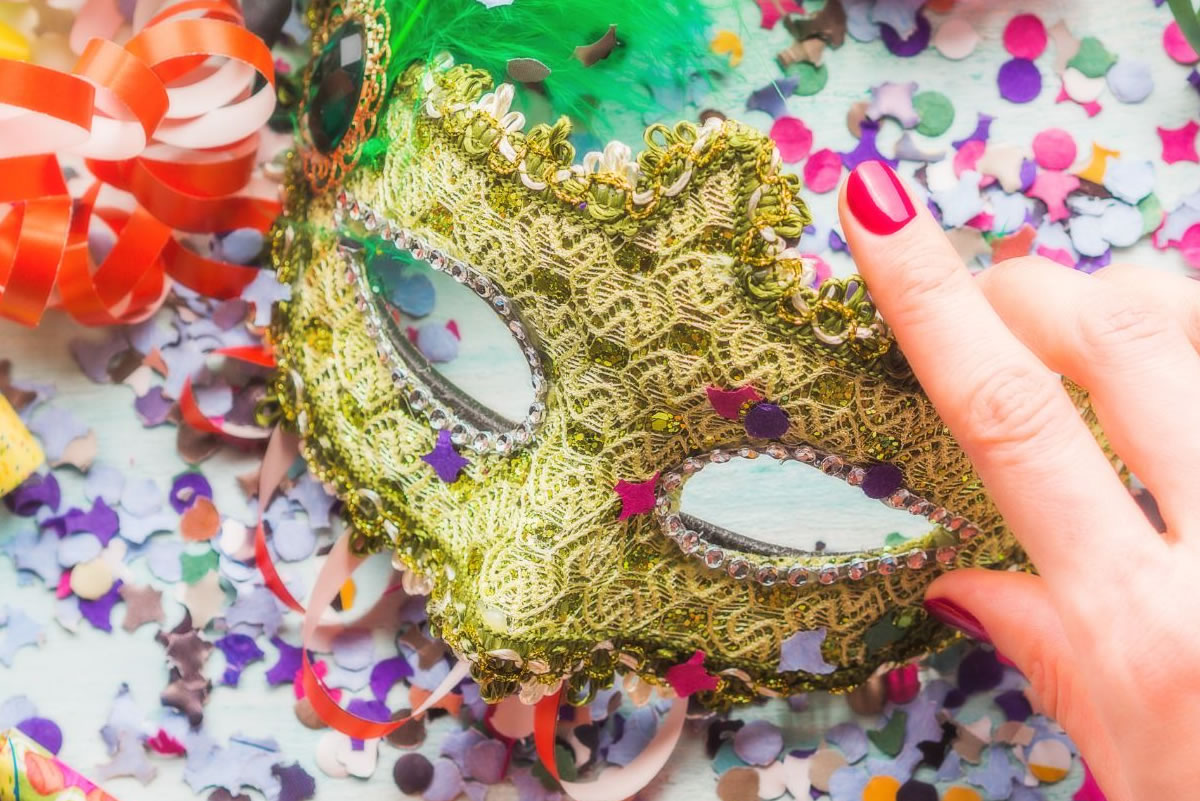
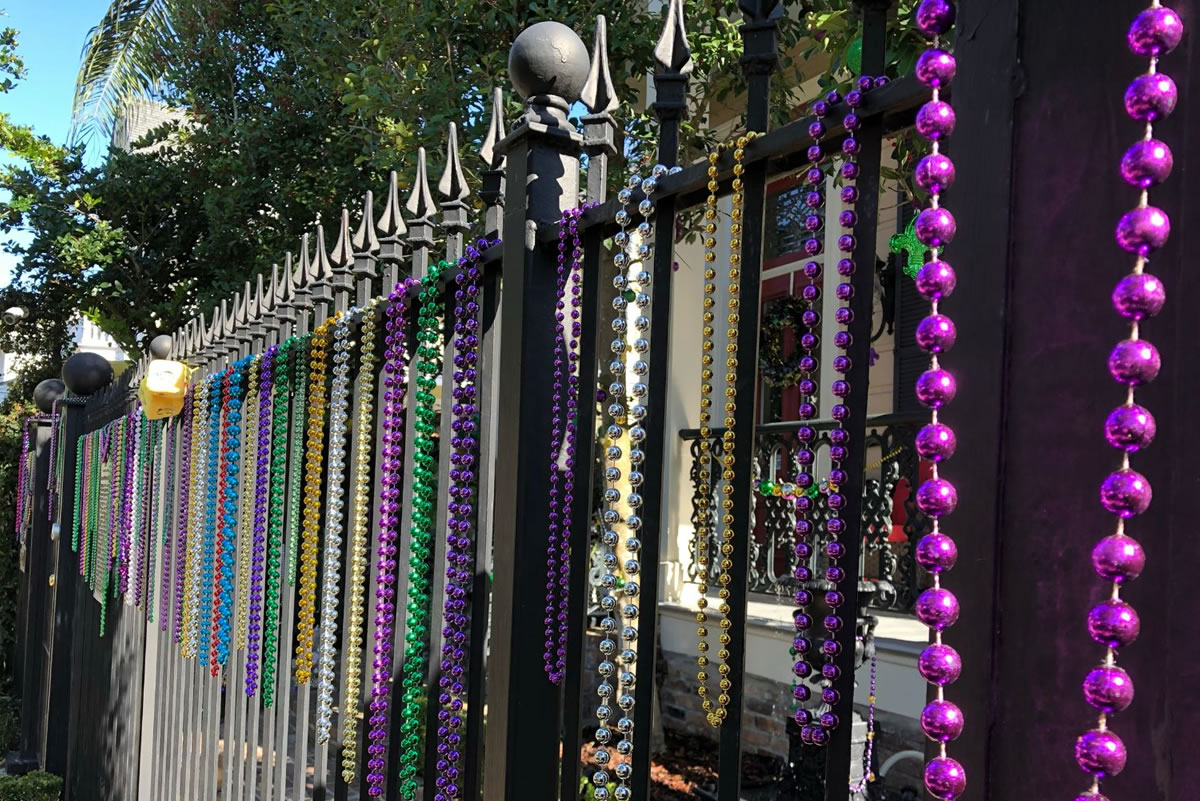
One of the most anticipated events each year, most of us know Mardi Gras as a traditional winter festival complete with parades, fantastic costumes, whimsical floats, dancing, drinking, food, and revelry at its finest. There are also beads. Lots and lots of beads.
But beneath the surface of this colorful celebration lies a rich tapestry of history, tradition, and fascinating facts that most people never discover. From ancient pagan roots to modern-day spectacle, Mardi Gras is far more complex and intriguing than you might imagine.
What is Mardi Gras? The Meaning Behind Fat Tuesday
Mardi Gras is a Christian holiday with origins dating back to medieval Europe, though its roots stretch even further into ancient history.
Translated from French as “Fat Tuesday,” Mardi Gras is officially celebrated the day before the kickoff of Lent the following day on Ash Wednesday. The name refers to the practice of using up all the rich, fatty foods (meat, eggs, butter, milk, lard, and cheese) that were forbidden during the 40 days of Lenten fasting.
Mardi Gras marks a final day of indulgence before the season of Lent, which spans the 40 days leading up to Easter and was designated a time for reflection, repentance, and strict fasting practices in the Christian tradition.
🍖 The Feast Before the Fast
Mardi Gras (Fat Tuesday) and the weeks leading up to it allowed churchgoers a final day to have one last celebratory feast and clear the pantry of rich foods that were forbidden during Lent. This is why traditional Mardi Gras foods like King Cake, beignets, jambalaya, and gumbo are so rich and indulgent. They represent abundance before the period of sacrifice.
Mardi Gras Dates: When is Fat Tuesday in 2026 and Beyond?
Mardi Gras doesn’t always fall on the same date each year. The celebration always falls on the Tuesday 47 days before Easter. But since Easter’s date changes year to year based on the lunar calendar, so does the date for Mardi Gras.
Easter is determined as the first Sunday after the full moon following the first day of spring (March 20th), which means Mardi Gras can fall anywhere between February 3 and March 9.
📅 Mark Your Calendar: Future Mardi Gras Dates
- 2026 – February 17 (THIS YEAR!)
- 2027 – February 9
- 2028 – February 29 (Leap Year Mardi Gras!)
- 2029 – February 13
- 2030 – March 5
- 2031 – February 25
- 2032 – February 10
- 2033 – March 1
Be sure to mark your calendar if you’re planning on celebrating or traveling for any events. Hotels in New Orleans book up 6-12 months in advance!
Carnival Season Lasts Several Weeks, Not Just One Day
The weeks leading up to Mardi Gras are known as Carnival, which is a word derived from Latin “carne vale” meaning “farewell to meat.” This entire season is filled with celebrations, not just Fat Tuesday itself.
While modern fasting rules of the churches have eased, requiring only abstaining from meat on Ash Wednesday and Fridays during Lent, the joy and revelry of Mardi Gras is celebrated around the world to this day.
Many cities around the world have a variety of events, parades, and balls throughout the Carnival season leading up to Mardi Gras. In New Orleans, the party can last anywhere from two to six weeks depending on when Easter falls.
Carnival Season Officially Starts on the 12th Day of Christmas
Many people don’t realize that Mardi Gras season actually begins right after Christmas! The 12th Day of Christmas, which falls on January 5 (and sometimes January 6 depending on location), is the official kickoff of the Carnival season and festivities leading up to Mardi Gras.
This day, known as Epiphany or Three Kings Day, celebrates the day the three kings (the Magi) visited the baby Jesus in Bethlehem, as well as Jesus’ baptism. According to historical records, this connection between Epiphany and Carnival dates back to medieval Christian traditions in Europe.
In New Orleans, the first King Cake of the season is traditionally eaten on Epiphany, marking the beginning of the countdown to Fat Tuesday.
Mardi Gras Traditions Have Ancient Pagan Roots
While Mardi Gras is celebrated as a Christian holiday today, many of its customs can be traced back thousands of years to pagan celebrations of spring and fertility.
The Roman festivals of Saturnalia (in honor of Saturn, god of wealth, abundance, and agriculture) and Lupercalia (a day to promote fertility) bear striking similarities to modern Mardi Gras celebrations. The earliest known recording of Lupercalia dates from the 3rd century BCE.
🏛️ Ancient Celebrations That Influenced Mardi Gras:
- Saturnalia (Rome): December festival with role reversals, feasting, and gift-giving
- Lupercalia (Rome): February fertility festival with costumes and revelry
- Dionysian Festivals (Greece): Wine, masks, and theatrical performances
- Celtic Spring Festivals: Marking the end of winter with bonfires and costumes
These pre-Christian celebrations featured many elements we still see today including masks, costumes, role reversals between social classes, excessive eating and drinking, and general abandonment of normal social rules. When Christianity spread through Europe, these beloved traditions were adapted rather than eliminated, eventually evolving into the Carnival celebrations we know today.
The Tradition of Masks and Costumes Comes From 13th Century Venice
Mardi Gras has always been a time to let loose, but centuries ago it served an additional social purpose. It was the only time of year when the upper and lower classes were allowed to socialize together freely. However, that didn’t mean you wanted your friends, family, and neighbors to know what kind of mischief you were getting into and with whom.
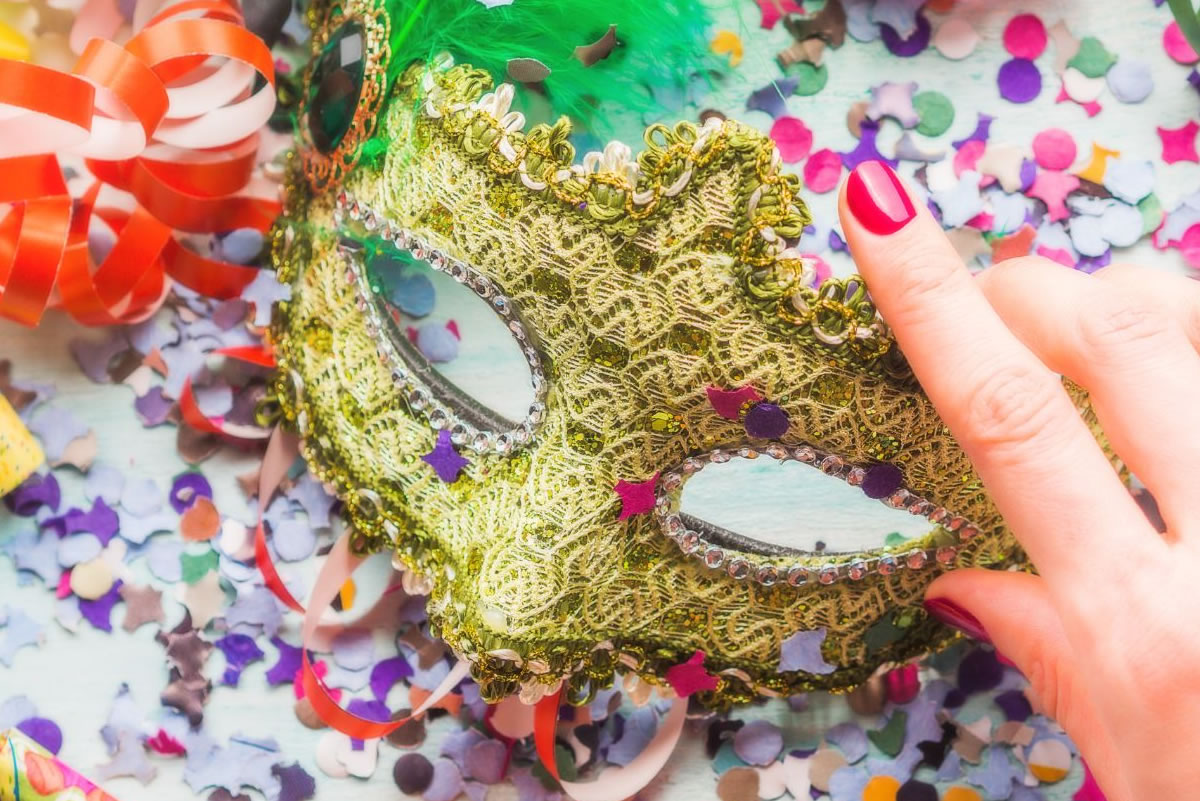
That’s why in the 13th century, revelers in Venice began wearing masks and costumes to hide their identities as they took part in the often salacious festivities. The masks also added an element of artistic flair, mystery, and intrigue to the parties.
Mask-making became a respected art form by the 15th century, and Venice is still renowned for its elaborate Carnival masks to this day. The tradition spread throughout Europe and eventually to the New World.
According to the Carnival of Venice official history, the Venetian mask tradition influenced Carnival celebrations worldwide, including those in New Orleans.
🎭 Fun Mask Fact:
In New Orleans, wearing a mask is actually required by law if you’re riding on a Mardi Gras parade float! Yet ironically, wearing masks in public is illegal in New Orleans during the rest of the year. This unique legal exception exists only during Carnival season.
Mobile, Alabama Hosted the First Mardi Gras in America (Not New Orleans!)
This surprises most people, but New Orleans wasn’t the first city in the United States to celebrate Mardi Gras. That honor belongs to Mobile, Alabama!
The first Mardi Gras celebration in the U.S. was held in the port city of Mobile in 1703 by the original French settlers, more than a decade before New Orleans was even founded in 1718.
Mobile continues to have one of the most popular and family-friendly Mardi Gras celebrations in the United States, with a combination of parties, balls, and parades. The city proudly calls itself “The Birthplace of Mardi Gras in America.”
You can visit the Mobile Carnival Museum to learn all about the fascinating history of Mardi Gras in America and see incredible costumes, floats, and memorabilia from over three centuries of celebrations.
The Iconic Purple, Green, and Gold Colors Have Deep Symbolic Meaning
In 1872, the Rex Organization was formed and tasked as a welcoming and entertaining committee for the royal Grand Duke Alexei Alexandrovich of Russia, who was visiting New Orleans during the Carnival season that year.
As part of the festivities, they planned the first fun and friendly daytime parade for all of New Orleans to enjoy, as nighttime processions were already common. They needed to decorate the city for this grand occasion.
Gold, green, and purple were selected by the group to prepare the town for the festivities. They instructed local newspapers to print instructions that all balconies be adorned in purple, green, and gold.
The colors stuck, and the color palette was made official a few decades later during a Mardi Gras parade themed “The Symbolism of Colors.”
🎨 The Official Mardi Gras Colors and Their Meanings
- PURPLE = Justice
- GREEN = Faith
- GOLD = Power
These colors were also commonly used on flags and the crests of royal families throughout European history, which is likely why they were chosen to honor the visiting Russian Grand Duke.
Over 70 “Krewes” Organize the Mardi Gras Festivities Each Year
One of the most fascinating aspects of Mardi Gras is the complex social organization behind it. Over 70 social organizations called “krewes” take part in and organize the Mardi Gras festivities each year in New Orleans alone.
Each krewe is unique, with its own series of parade floats and costumes, customs, events, balls, cultural affiliations, and Mardi Gras histories. Some krewes are centuries old with strict membership requirements, while others are newer and more inclusive.
Every year, each krewe selects a new theme to design their floats and costumes around. Popular recent themes have included mythology, pop culture, current events, and historical periods.
🎪 Famous Mardi Gras Krewes:
- Rex: “King of Carnival,” established 1872
- Zulu: Famous for hand-decorated coconut throws, established 1909
- Endymion: One of the largest super-krewes with elaborate floats
- Bacchus: First krewe to allow celebrities to reign as king
- Muses: All-female krewe known for throwing hand-decorated shoes
- Krewe of Nyx: Largest all-female krewe, throws decorated purses
A “King of Carnival” is Chosen Each Year and Gets a Key to the City
A coveted position in New Orleans society, the annually selected monarch of the Rex Organization receives a symbolic golden key to the city and then decrees that it’s time for the city to shut down and celebrate.
This tradition started with the Rex Organization in 1872 and continues to this day. The identity of Rex is kept secret until the day of the parade, when he’s revealed riding on the magnificent Rex float in full royal regalia.
Being selected as Rex is considered one of the highest honors in New Orleans society, and the selection process is shrouded in mystery and tradition.
Parade “Throws” Have Special Names and Yelling “Throw Me Something Mister” Actually Works
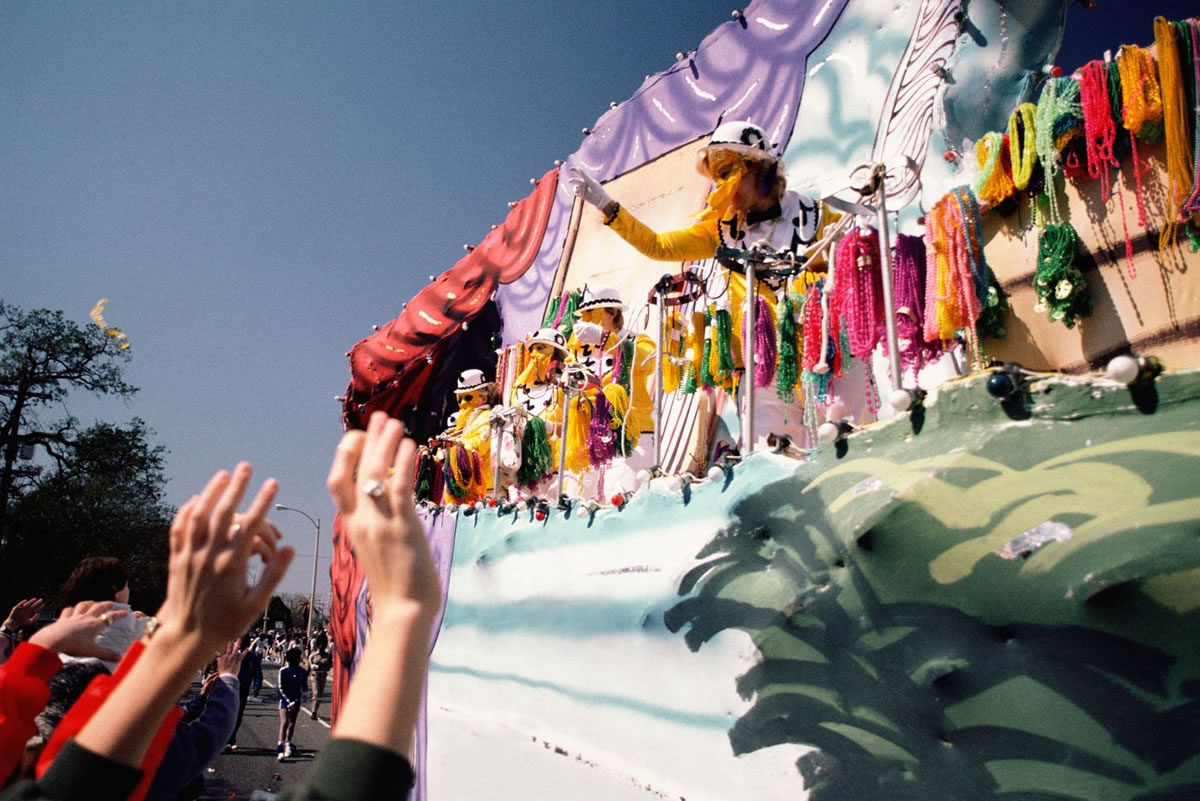
A favorite experience during the Mardi Gras parades is catching trinkets and treats tossed from the riders on floats. These items are called “throws,” and there’s actually a whole etiquette and tradition around them.
While beads are the most iconic Mardi Gras throws, you can also catch other prizes like doubloons (aluminum coins), plastic cups, stuffed animals, toys, and more. The phrase “Throw me something, mister!” is the traditional call parade-goers use to get the attention of float riders.
Some of the most sought-after trinkets are the signature throws hand-crafted by individual krewes. These collectible items can become valuable keepsakes.
🥥 The Zulu Coconut: Most Prized Throw
The Krewe of Zulu inspired the tradition of signature throws when they began handing out coconuts in New Orleans in 1910. Undecorated at first, they later embellished the coconuts with glitter, paint, and designs.
They were such a hit that other krewes created their own signature throws. Today collectible throws include hand-decorated shoes by Krewe of Muses, custom purses from Mystic Krewe of Nyx, sunglasses by Krewe of Iris, genie lamps from Krewe of Alla, and many more. These handmade throws can take krewe members months to create!
St. Louis Has the Second Largest Mardi Gras Celebration in America
Even though their celebrations only started in the 1980s, St. Louis, Missouri now claims the runner-up position to New Orleans as the second largest Mardi Gras celebration in the United States.
This makes sense when you consider that St. Louis was founded in 1764 by French fur traders and has deep French cultural roots. The city’s Soulard neighborhood hosts massive Mardi Gras festivities that draw hundreds of thousands of visitors each year.
The Mardi Gras, Inc. organization in St. Louis puts on over a dozen parades and numerous events throughout the Carnival season.
Mardi Gras is Celebrated Worldwide Under Many Different Names
Mardi Gras and Carnival season celebrations are held around the world wherever Roman Catholicism is popular and French, Spanish, Portuguese, and Anglican ancestry is dominant.
🌍 Mardi Gras Around the World:
- Shrove Tuesday / Pancake Day in the United Kingdom and Ireland
- Fettisdagen in Sweden (Semla bun day)
- Martedi Grasso in Italy
- J’Ouvert in Trinidad and Tobago
- Martes de Carnaval in Mexico
- Karneval in Germany
- Carnival in Brazil (largest in the world)
- Quebec Winter Carnival in Canada
- Maslenitsa in Russia
- Carnaval in Belgium, Spain, and Portugal
According to Encyclopedia Britannica, Carnival celebrations exist in over 50 countries worldwide, each with unique local traditions while sharing common themes of indulgence before Lent.
New Orleans Almost Canceled Mardi Gras Permanently
In the mid-1800s, Mardi Gras celebrations in New Orleans had become so chaotic and destructive that city leaders seriously considered banning them forever. The celebrations were marked by violence, property damage, and dangerous behavior.
Everything changed in 1857 when the Mistick Krewe of Comus took on the task of transforming Mardi Gras. They replaced the original chaotic and often dangerous celebrations with more composed and organized events marked by lavish balls and organized parades.
It was these more refined and elevated celebrations that saved Mardi Gras from being banned and established New Orleans as the Mardi Gras capital of the country. The Comus parade became the model that other krewes followed, creating the structured celebration we know today.
“The Greasing of the Poles” is a Bizarre Annual Tradition
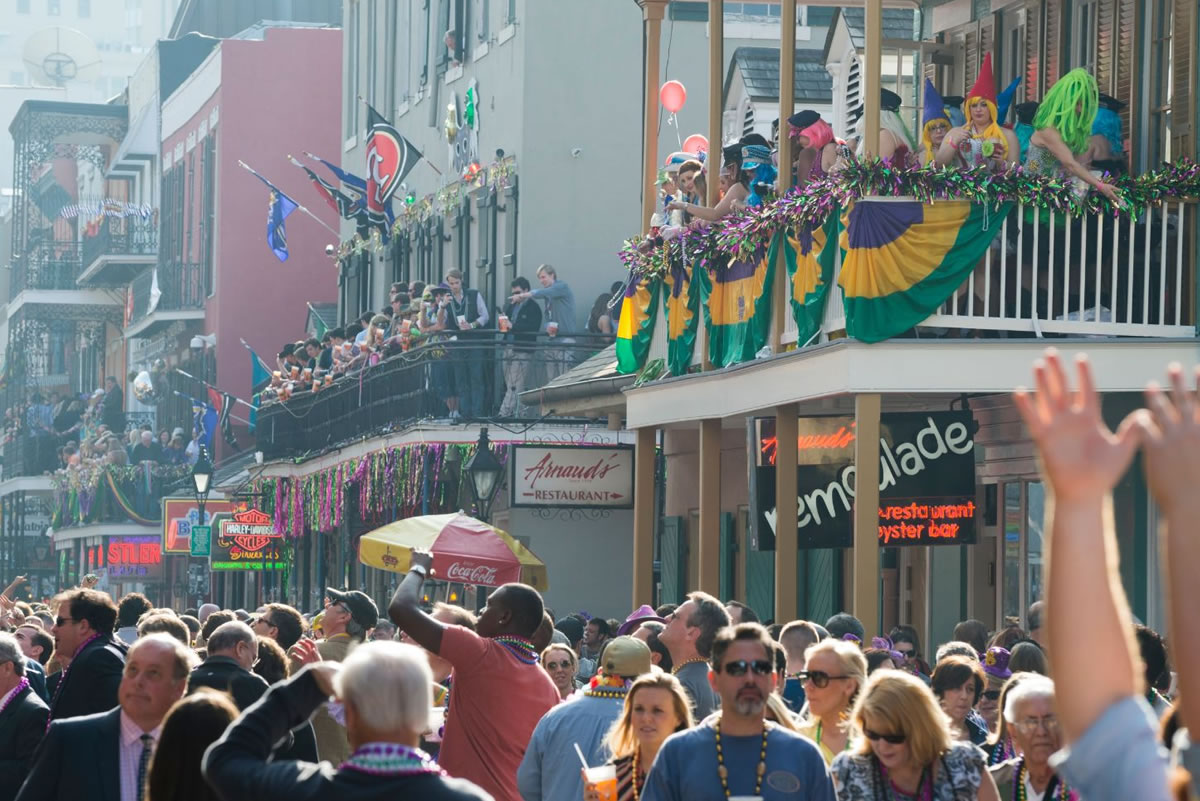
One of the strangest Mardi Gras traditions in New Orleans happens at the Royal Sonesta Hotel on Bourbon Street every year.
Over five decades ago, the Sonesta Hotel New Orleans (300 Bourbon Street) started smearing the poles that support the front of its building with petroleum jelly to keep rowdy parade-goers from climbing up the hotel’s poles and onto their balconies.
That practical solution has evolved into a yearly tradition and grand event complete with celebrities, live music, and international fame. It even marks the official commencement of the French Quarter’s Mardi Gras weekend festivities. The event is typically held on the Friday before Mardi Gras and draws huge crowds.
King Cake is the Official Dessert with a Hidden Surprise Inside
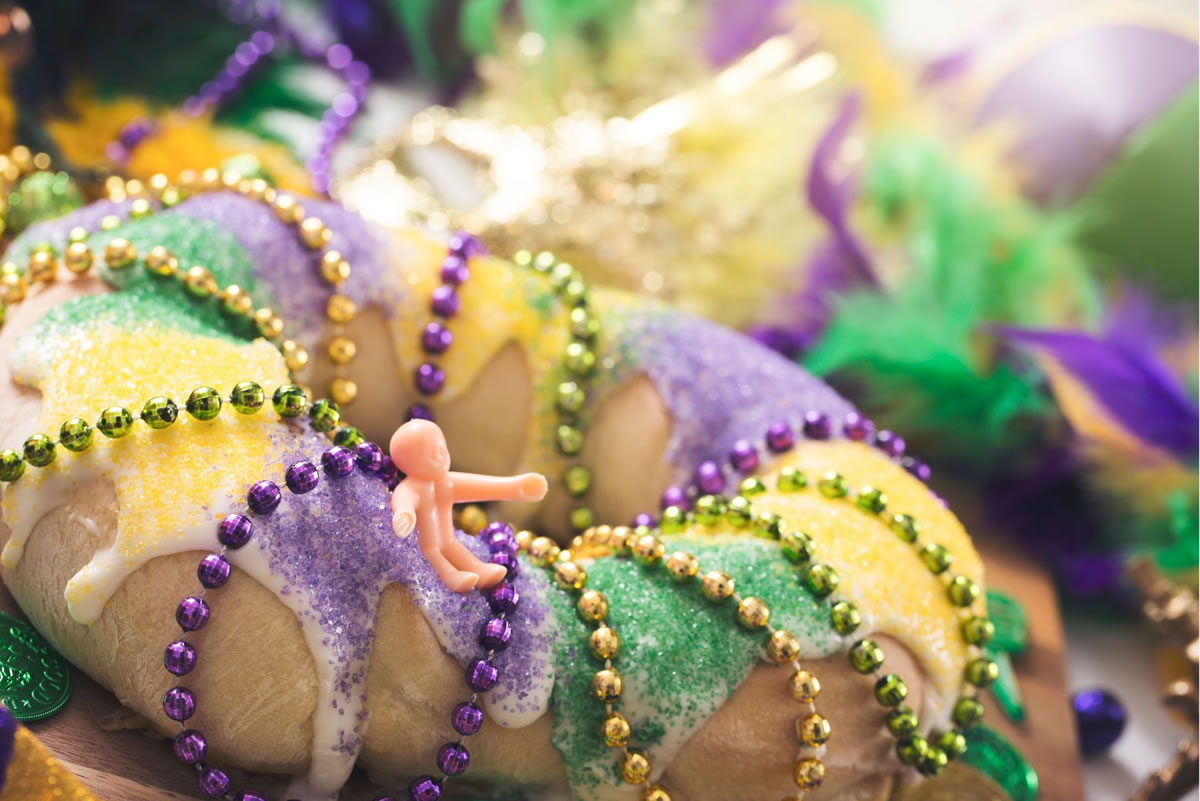
Shaped in a ring and sometimes braided to resemble a king’s crown, King Cakes are iced and decorated with yellow, green, and purple sanding sugars representing the official Mardi Gras colors.
This beloved rich cake, first brought to New Orleans from France in 1870, is a cross between sweet bread and a French pastry. What makes it truly special is the prize baked inside!
Inside each King Cake is a trinket (usually a tiny plastic baby) that represents Jesus, luck, and prosperity. Whoever gets the “baby” in their slice of King Cake is named “King” or “Queen” for the day and is expected to bring the King Cake to the next event or host the next party.
Mobile Started the Moon Pie Throwing Tradition
A tradition that started during a parade in Mobile, Alabama in 1967, tossing Moon Pies to parade-goers has become a beloved Mardi Gras custom.
These iconic Southern treats (two round graham cookies with marshmallow filling, covered in chocolate) were perfect for throwing from floats because they were individually wrapped and soft enough not to hurt anyone when caught.
The tradition spread to New Orleans and other Mardi Gras celebrations across the Gulf Coast. In Mobile, over 500,000 Moon Pies are thrown during their Mardi Gras season!
The Pennsylvania Dutch Have Their Own Mardi Gras Donut
The Pennsylvania Dutch call Mardi Gras “Fastnacht,” which is German for “fast night.” Each year they prepare a special fried donut called a Fastnacht that is made and enjoyed on Fat Tuesday.
There are many different recipes for Fastnacht, but one popular version is made with a yeast-raised dough that is blended with mashed potatoes, creating an incredibly light and fluffy texture.
See also

These donuts are cut into squares or rectangles (unlike the round shape of most donuts) and fried until golden. They’re traditionally served plain or dusted with powdered sugar.
Want to try making them? Here’s an authentic Pennsylvania Dutch Fastnacht recipe.
U.S. Cities With Major Mardi Gras Celebrations
Mardi Gras is celebrated across the United States in cities with strong French, Spanish, and Catholic influences. While New Orleans gets most of the attention, many other American cities host impressive Mardi Gras festivities.
🎉 Major U.S. Mardi Gras Cities:
- New Orleans, Louisiana – The largest and most famous
- Mobile, Alabama – The oldest (since 1703)
- St. Louis, Missouri – Second largest celebration
- Biloxi, Mississippi – Gulf Coast celebration
- Pensacola, Florida – Historic celebration dating to 1874
- Galveston, Texas – Called “Mardi Gras! Galveston”
- Lafayette, Louisiana – Cajun Mardi Gras with unique traditions
- Baton Rouge, Louisiana – Spanish Town parade is legendary
- San Diego, California – Mardi Gras in the Gaslamp Quarter
- Lake Charles, Louisiana – Second largest in Louisiana
Each city puts its own unique spin on the celebration while maintaining the core traditions of parades, costumes, music, and indulgent food.
🍤 Bring Mardi Gras Home With Authentic Recipes
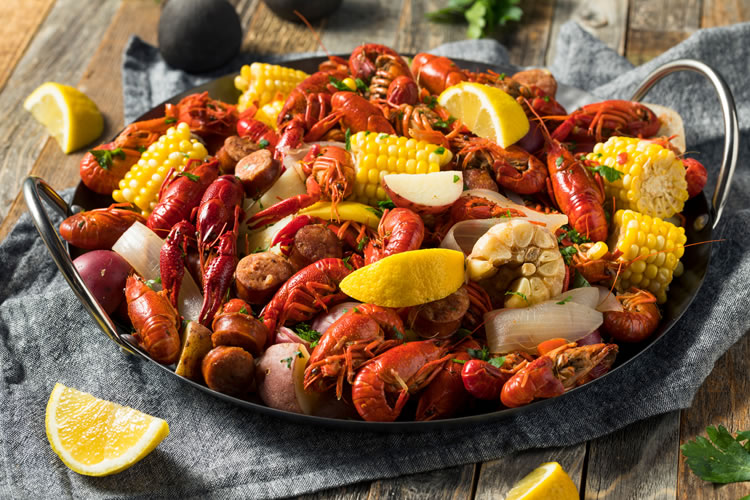
Can’t make it to New Orleans this year? Bring the flavors of Fat Tuesday to your kitchen! Our collection of authentic Cajun and Creole recipes will transport you straight to the French Quarter.
19 Easy Mardi Gras Recipes – Complete collection of Cajun classics
New Orleans Seafood Gumbo – The ultimate Mardi Gras dish
Authentic Catfish Po’ Boy – Classic Louisiana sandwich
How to Plan Your First Mardi Gras Trip
Ready to experience Mardi Gras in person? Here’s what you need to know to plan the perfect trip to New Orleans or any Mardi Gras celebration.
📋 Essential Mardi Gras Planning Tips
When to Book:
Hotels book up 6-12 months in advance. Book as early as possible, especially for hotels in the French Quarter or near parade routes. Prices increase significantly as Mardi Gras approaches.
Best Days to Visit:
The final weekend (Friday-Tuesday before Ash Wednesday) is the most intense. For families or first-timers, the weekend 7-10 days before Mardi Gras offers great parades with smaller crowds.
What to Pack:
- Comfortable walking shoes (you’ll walk miles!)
- Layers – February weather in New Orleans is unpredictable
- Small backpack or crossbody bag for throws
- Costume or purple/green/gold clothing
- Portable phone charger
- Hand sanitizer and wet wipes
Transportation:
Don’t rent a car for New Orleans Mardi Gras. Streets close for parades, parking is impossible, and you’ll spend more time stuck in traffic than celebrating. Use rideshare, streetcars, or walk instead.
Family-Friendly Options:
Stick to daytime parades on St. Charles Avenue or in suburban areas. Avoid Bourbon Street at night with children. The Krewe of Muses, Endymion, and Bacchus parades are excellent family choices.
❓ Frequently Asked Questions About Mardi Gras
When is Mardi Gras in 2026?
Mardi Gras 2026 falls on Tuesday, February 17, 2026. The Carnival season begins on January 6, 2026 (Epiphany), giving you over six weeks of celebrations leading up to Fat Tuesday.
Why do Mardi Gras dates change every year?
Mardi Gras is always celebrated 47 days before Easter Sunday. Since Easter is determined by the lunar calendar (the first Sunday after the first full moon following the spring equinox), its date changes each year, which means Mardi Gras dates change too. Mardi Gras can fall anywhere between February 3 and March 9.
What does “Mardi Gras” mean?
Mardi Gras is French for “Fat Tuesday.” The name refers to the practice of eating rich, fatty foods on this day before the fasting period of Lent begins on Ash Wednesday. It was the final opportunity to use up meat, eggs, butter, and other indulgent ingredients that were forbidden during the 40 days of Lent.
Is Mardi Gras only celebrated in New Orleans?
No! While New Orleans has the most famous Mardi Gras celebration in the United States, the holiday is celebrated worldwide. In the U.S., major celebrations happen in Mobile (Alabama), St. Louis (Missouri), Galveston (Texas), Pensacola (Florida), and many Louisiana cities. Internationally, Brazil’s Carnival in Rio de Janeiro is the world’s largest, and major celebrations occur in Venice (Italy), Trinidad and Tobago, Germany, and dozens of other countries.
What are Mardi Gras “throws” and how do you get them?
Throws are trinkets and treats tossed from parade floats to the crowd below. Common throws include beads, doubloons (aluminum coins), plastic cups, stuffed animals, and krewe-specific items like decorated coconuts, shoes, or purses. To get throws, position yourself along the parade route and call out “Throw me something, mister!” to float riders. Making eye contact and waving increases your chances!
Why are the Mardi Gras colors purple, green, and gold?
The Rex Organization chose these colors in 1872 to honor visiting Russian royalty. They became official in the early 1900s with symbolic meanings: purple represents justice, green represents faith, and gold represents power. These colors were commonly used on royal crests and flags throughout European history.
Do you have to wear a costume to Mardi Gras?
Costumes are not required for parade-goers, but they’re strongly encouraged and add to the fun! Many people wear purple, green, and gold clothing, festive accessories, masks, or full costumes. If you’re riding on a parade float, you are legally required to wear a mask. Costume creativity is celebrated, and you’ll see everything from simple masks to elaborate handmade outfits.
Is Mardi Gras family-friendly?
Yes and no. It depends where and when you go. Daytime parades, especially those on St. Charles Avenue and in suburban areas, are very family-friendly with crowds of all ages. The French Quarter and Bourbon Street at night are adult-oriented and not appropriate for children. Cities like Mobile, Alabama specifically market themselves as having family-friendly Mardi Gras celebrations.
What is a King Cake and when do you eat it?
King Cake is the official dessert of Mardi Gras season, eaten from Epiphany (January 6) through Mardi Gras day. It’s a sweet braided cake decorated with purple, green, and gold sugar, with a tiny plastic baby (representing Jesus) hidden inside. Whoever gets the baby in their slice is “king” for the day and must host the next party or bring the next King Cake. Learn how to make one with our Mardi Gras recipes collection.
What is a Mardi Gras krewe?
A krewe is a social organization that plans and funds Mardi Gras parades and balls. Each krewe has its own history, membership requirements, traditions, and signature throws. Some krewes date back over 150 years with exclusive memberships, while newer krewes are more inclusive. There are over 70 active krewes in New Orleans alone, each creating unique floats and hosting events throughout Carnival season.
How long does Mardi Gras last?
While Mardi Gras technically refers to one day (Fat Tuesday), the Carnival season leading up to it lasts anywhere from 2-6 weeks depending on when Easter falls. The season officially begins on Epiphany (January 6) and ends at midnight on Mardi Gras day. In New Orleans, major parades typically start about two weeks before Mardi Gras, with the biggest parades happening in the final weekend.
🎺 Experience the Music and Food of Mardi Gras
Mardi Gras isn’t just about parades and beads. It’s a celebration of incredible music, world-class cuisine, and cultural traditions that make New Orleans and the Gulf Coast unique.
While you’re celebrating, don’t miss out on authentic Louisiana cuisine. Our recipe collection includes all the classics:
🎉 Laissez Les Bons Temps Rouler!
“Let the good times roll” is more than just a saying during Mardi Gras. It’s a way of life that celebrates community, culture, music, food, and the joy of coming together. Whether you’re planning your first trip to New Orleans, celebrating at a local Mardi Gras event, or bringing the flavors of Fat Tuesday to your own kitchen, now you know the fascinating history and traditions that make this celebration so special.
From ancient Roman festivals to modern-day parades, from hand-decorated coconuts to King Cakes, Mardi Gras is a celebration that connects us to centuries of tradition while creating new memories every year. So grab your beads, don your purple, green, and gold, and join the party!
Have you celebrated Mardi Gras? Share your favorite memories and traditions in the comments below!
Explore More Louisiana Culture & Cuisine:
Better Living uses affiliate links. If you make a purchase through them, we may receive a small commission (for which we are deeply grateful) at no cost to you.