For many travelers, the classic African safari is the first thing that comes to mind when they think about wildlife travel. Lions, elephants, leopards, rhinos and buffalo have become almost synonymous with the idea of seeing animals in their natural environment.
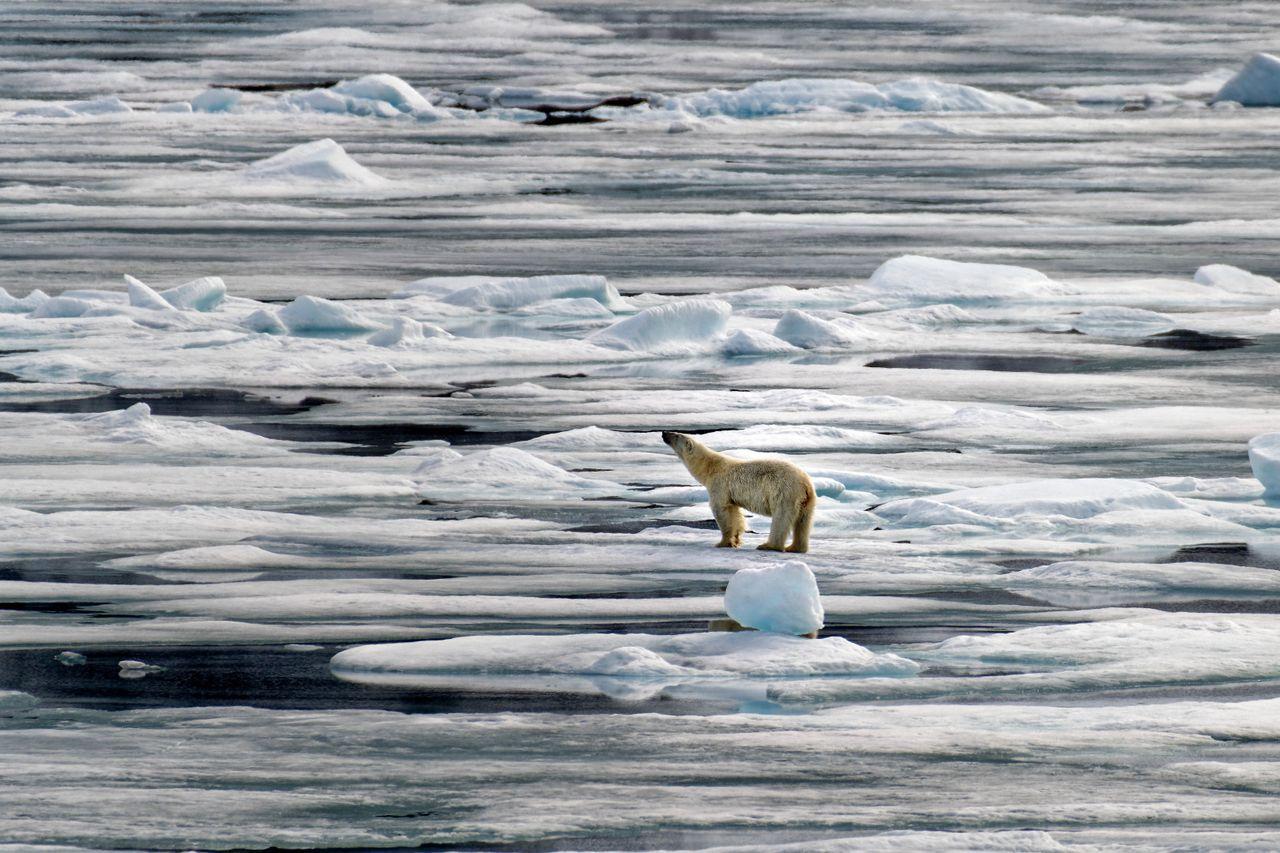
But the world of wildlife travel is far bigger than the traditional safari. From polar bears moving across Arctic landscapes to whales surfacing beside expedition boats, there are countless ways to experience nature in some of the world’s most extraordinary environments.
For travelers looking beyond the usual safari, wildlife holidays can open the door to a much wider range of experiences. Wildfoot Travel offers journeys spanning polar regions, marine environments, African wildernesses and other wildlife-rich destinations, making it possible to build a trip around the animals and landscapes that genuinely interest you.
The key is to start with the wildlife you want to experience and then choose the destination and style of travel around it.
Look beyond the traditional safari
There is nothing wrong with wanting to see Africa’s famous wildlife. A safari can be an extraordinary experience, particularly when you are watching animals behave naturally rather than simply seeing them in captivity.
But concentrating only on the Big Five can make the wider world of wildlife seem much smaller than it really is.
Africa itself offers far more than lions and elephants. There are primates, wild dogs, giraffes, birds, reptiles and countless smaller species that can be just as fascinating to observe.
Elsewhere in the world, completely different experiences are available. You could travel north to search for polar bears, head into tropical waters looking for whales and dolphins, or explore remote forests where unusual bird and primate species live.
Once you start thinking about wildlife by habitat and behavior rather than a fixed list of animals, the possibilities become much broader.
Experience wildlife in the polar regions
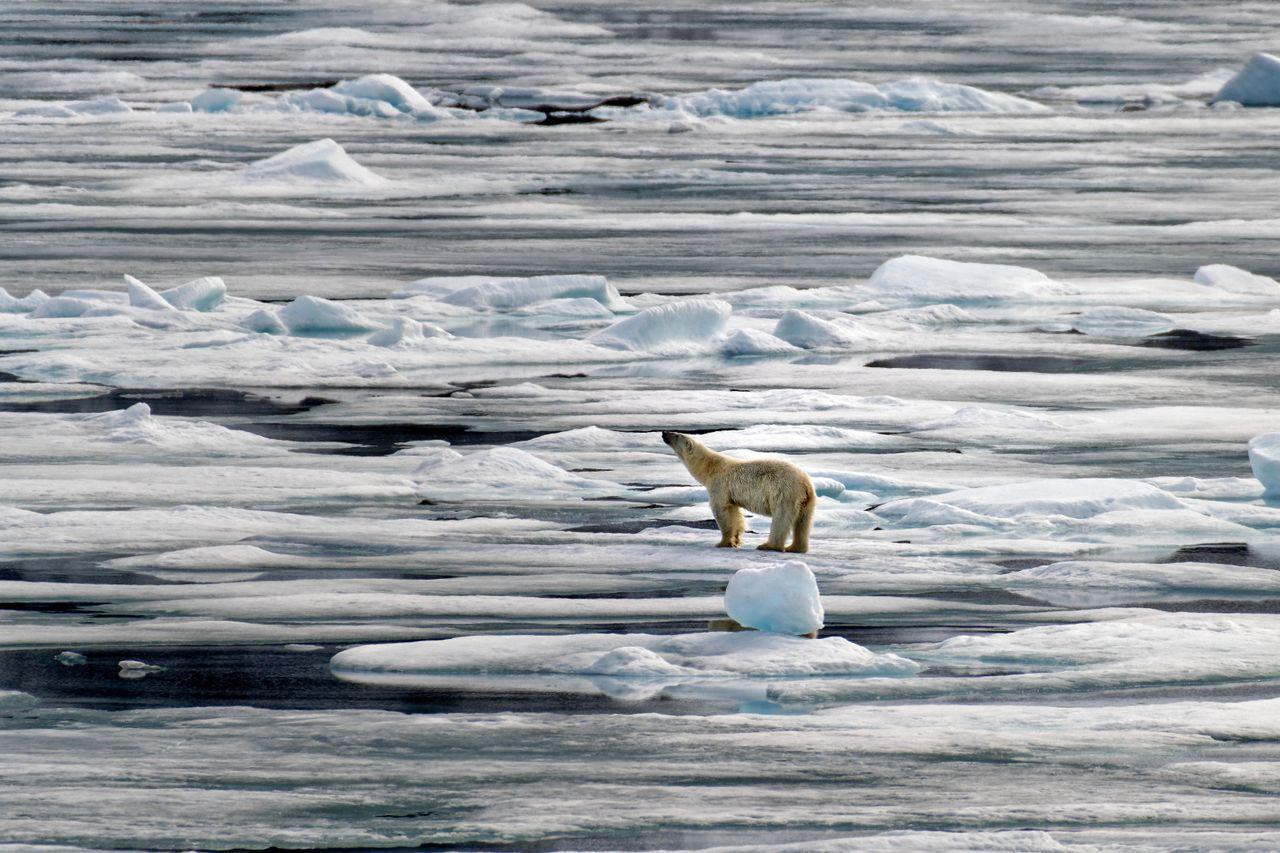
The Arctic and Antarctica offer some of the most dramatic wildlife experiences on Earth.
In the Arctic, travelers can look for polar bears, Arctic foxes, reindeer and seabirds while travelling through a landscape of ice, tundra and remote coastlines. Expeditions can combine time on board a ship with shore excursions, giving visitors opportunities to see wildlife from several perspectives.
Antarctica provides an entirely different setting. Penguins are perhaps the most recognizable residents, but the surrounding waters are also rich in marine life, including seals and whales.
What makes polar wildlife travel particularly memorable is the setting itself. The animals are part of an enormous wilderness rather than simply the focus of a sightseeing trip. Icebergs, glaciers, mountains and remote islands become part of the experience.
Take to the water for marine wildlife
Some of the world’s most spectacular wildlife encounters happen at sea.
Whale watching is an obvious example, but marine wildlife can include dolphins, orcas, seals, penguins, seabirds and other species depending on where and when you travel.
An expedition cruise can be a particularly interesting way to experience marine environments because the journey itself becomes part of the adventure. Instead of travelling simply to reach a wildlife destination, you may spend several days moving through remote waters and watching for wildlife along the way.
Different environments can produce very different encounters. A cold-water expedition might focus on whales and seals, while a tropical journey could combine marine life with coral reefs, islands and coastal ecosystems.
The unpredictability is part of the appeal. A whale surfacing unexpectedly beside a boat can become a far more memorable moment than anything scheduled into a sightseeing itinerary.
Discover the fascinating world of birds
Birdwatching is sometimes treated as a specialist interest, but you do not need to be an experienced birder to appreciate the incredible variety of birdlife found around the world.
From brightly colored tropical species to seabirds living around polar coastlines, birds can be an important part of almost any wildlife journey.
Some destinations are particularly rewarding because of the combination of birdlife and landscape. Wetlands, rainforests, islands, mountains and coastal environments can all support completely different species.
For keen photographers, birds also create plenty of opportunities to observe behavior, movement and interaction with the landscape. Birdwatching does not always require a long-haul flight, either. Closer to home, spots like a lakeside stay can double as a gentle introduction to the hobby.
A wildlife trip does not have to revolve around a handful of large mammals. Sometimes the smaller and less celebrated species provide some of the most surprising encounters.
Search for bears beyond the Arctic
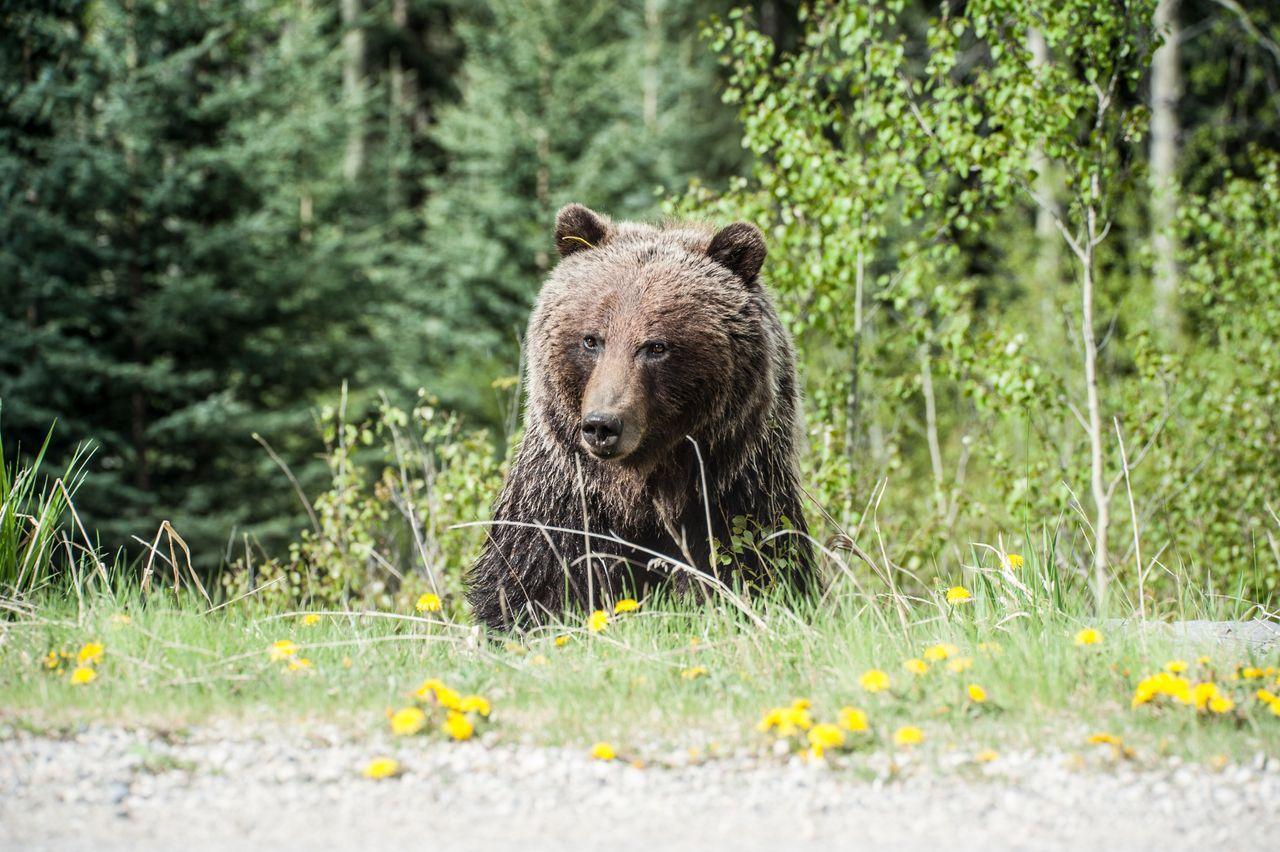
Polar bears may be one of the world’s most recognizable wildlife icons, but they are far from being the only bears worth travelling to see.
Canada, for example, offers opportunities to search for different bear species in a range of landscapes. Depending on the region, travelers may encounter grizzly bears, black bears or the distinctive spirit bear, while some coastal areas also provide opportunities to see whales and orcas.
The experience can also be very different from a traditional safari. Instead of watching animals from a vehicle across open plains, you may be travelling through forests, along rivers or by boat.
This variety is one of the reasons wildlife travel can become so addictive. Seeing one type of animal does not necessarily reduce the desire to see another. It simply opens up another part of the natural world.
Explore the world of primates
Primates offer another fascinating alternative to the traditional safari experience.
Gorillas, chimpanzees and other primates live in environments that can be dramatically different from the open landscapes associated with African game drives. Forests, mountains and dense vegetation can make encounters feel more immersive and unpredictable.
Tracking primates also encourages a different style of wildlife observation. Instead of sitting in a vehicle waiting for animals to appear, you may be walking through the forest with experienced guides and learning to recognize sounds, tracks and other signs of animal activity.
For travelers who enjoy combining wildlife with walking and exploration, these journeys can offer a particularly rewarding experience.
Specialist wildlife programs also provide opportunities to search for less familiar species. Current specialist itineraries include journeys focused on rare African primates alongside other wildlife and wilderness experiences.
Choose wildlife by habitat
Another useful way to plan a wildlife trip is to start with the environment rather than the animal.
Perhaps you are fascinated by rainforests. In that case, look at destinations known for their biodiversity and opportunities to explore on foot.
If marine environments appeal to you, focus on coastal regions, islands and expedition routes where whales, dolphins and other ocean wildlife can be encountered.
Mountain landscapes offer another possibility. High-altitude environments can be home to species that are rarely seen elsewhere, while trips to deserts, wetlands and grasslands can reveal completely different ecosystems.
Thinking this way can also create a more rounded holiday. Rather than travelling solely to tick an animal off a list, you experience the environment that supports it.
Consider how you want to experience wildlife
The destination is only part of the decision. The way you travel can change the experience considerably.
A traditional safari vehicle allows you to cover large areas and search for wildlife across open landscapes. Walking allows you to focus more closely on tracks, plants, sounds and smaller animals.
Expedition cruises provide access to remote coastlines and islands, while kayaking or small boats can bring you closer to marine environments.
Photography-focused trips offer another option. Travelling with people who share an interest in photography can give you more time to consider light, composition and animal behavior rather than simply moving from one sighting to the next.
There is no single right way to experience wildlife. The best approach depends on what you want to learn, see and remember.
See also

Think about the timing
Wildlife is influenced by seasons, migration, weather and breeding cycles, so timing can be just as important as the destination itself.
Some animals are easier to find at particular times of year. Bird migrations can create seasonal spectacles, while polar regions have very different conditions depending on the month.
This is one reason it is useful to research a trip around the specific wildlife experience you want rather than simply choosing a destination first.
Even within the same country, the best time for one species may not be the best time for another.
Peak scenery and peak wildlife activity don’t always land on the same dates. Ask your operator which weeks give you the best odds for the specific species on your wish list.
A little research before booking can therefore make a major difference to what you are likely to experience.
Make the journey about more than wildlife
Wildlife may be the main reason for the trip, but it does not have to be the only one.
Many wildlife destinations also offer remarkable landscapes, local communities, food, history and opportunities for adventure.
An Arctic journey, for example, can combine wildlife with dramatic scenery and encounters with remote communities. A safari in India can combine wildlife with the country’s extraordinary cultural and historical attractions.
This combination can turn a wildlife-focused journey into a much richer travel experience.
It also means there is something to enjoy during quieter periods when wildlife is not immediately visible. After all, part of the magic of travelling into wild places is simply being there.
Focus on quality encounters rather than a checklist
There can be a temptation to treat wildlife travel like a checklist: see a lion, photograph a polar bear, find a whale and move on to the next item.
But some of the most memorable encounters are not necessarily the rarest or most famous.
Watching a herd of animals move through a landscape, hearing seabirds around a remote coastline or seeing a whale surface unexpectedly can be just as powerful.
Patience matters. So does having knowledgeable guides who understand animal behavior and know when to wait rather than rush from one sighting to another.
The more time you spend observing rather than simply searching for the next photograph, the more you begin to appreciate the environment as a whole.
Once you look beyond the familiar Big Five, a much wider world begins to emerge.
Start with your own wildlife wish list
The best wildlife journey is often the one that matches your personal interests.
You may dream of seeing polar bears in the Arctic, tracking primates through African forests, searching for whales at sea, watching birds in remote wetlands or experiencing a traditional safari.
There is no need to limit yourself to one definition of wildlife travel.
The world’s ecosystems are incredibly varied, and each offers its own combination of animals, landscapes and experiences. Once you look beyond the familiar Big Five, a much wider world begins to emerge, one where the journey can be shaped around the wildlife, environment and style of adventure that interest you most.
That is what makes wildlife travel so rewarding: there is always another landscape to explore, another species to discover and another wild encounter waiting somewhere beyond the usual safari route.

Better Living may earn commissions through affiliate links and may occasionally feature sponsored or partner content. If you make a purchase through our links, we may receive a small commission at no cost to you.