The Quick Version
Bird watching from home is one of the easiest hobbies to start. Put out a small dish of black oil sunflower seeds near a window you already sit by, download the free Merlin Bird ID app, and watch during the hour after sunrise. That is it. No binoculars, no field guide, no experience required.
Quickest win: A handful of sunflower seeds on a window sill will attract your first bird within 24 hours in almost any neighborhood.
I never set out to become a bird watcher. It started almost by accident one winter afternoon when I put out a small dish of sunflower seeds on my back porch, mostly out of curiosity. Within 20 minutes, a pair of cardinals landed. I watched them for nearly half an hour. I forgot my phone existed.
That was a few years ago. Now I feed the birds two or three times a day, I recognize most of the regulars by sight, and my kitchen window has become one of my favorite spots in the house. What started as idle curiosity has become one of the most grounding parts of my daily routine.
And I am not alone. Bird watching has quietly become one of the most popular hobbies in the United States. According to the U.S. Fish and Wildlife Service, nearly 100 million Americans watch birds in some form. It is free, it is calming, and you can start right from your own window today.
This guide is for complete beginners. No binoculars, no field guides, no science degree required. Just a little curiosity and a few simple habits that will have you noticing birds everywhere within a week.
Why Bird Watching is Perfect for Beginners
Bird watching is one of the few hobbies that genuinely meets you exactly where you are. No special skills, no specific location, and no equipment required to get started. The birds have always been part of your environment. You just have not been paying close attention to them yet.
That is the beautiful secret of bird watching: it asks nothing of you except your attention. No gear, no commute, no learning curve. Just a quiet moment by a window with a cup of coffee.
If you are looking for a way to reduce stress or step away from screens, bird watching is genuinely one of the best tools available. You will feel this the first time you sit still and watch a bird do something completely unexpected. It pulls you into the present moment almost instantly.
One thing worth mentioning: I live on a busy suburban road. Not a quiet country lane, not a house backing onto woods. A loud, trafficked street where you would not expect much wildlife activity at all. And yet over time, simply by putting out the right foods, keeping fresh water available, and showing up consistently, we have attracted a remarkable variety of local species right to our yard. Cardinals, juncos, woodpeckers, bluebirds, catbirds, wrens. The birds do not care about the road. They care about whether your yard is reliably worth visiting. Consistency is the whole trick.
Step 1: Start With the Birds You Already See
The biggest mistake beginners make is trying to identify every bird at once. Skip that entirely. Instead, start paying attention to the birds already flying around your daily life.
Look for birds in these places first:
- Outside your windows, especially at dawn and dusk
- Perched on nearby trees, fences, or streetlights
- Hopping across your lawn, garden, or a nearby park
These become your baseline birds, the species you will see most often around your home. Think of them as your regulars. Learning to recognize them quickly builds confidence before you ever open a field guide or ID app.
In my yard, the regulars are northern cardinals, house sparrows, mourning doves, and American robins. I knew all of them by sight within my first two weeks without looking anything up. Now any new bird that shows up stands out immediately because I know who belongs and who does not.
Step 2: Know the Best Times to Watch
One of the things nobody tells beginners is that bird activity follows a very predictable daily schedule. Knowing it means you will see dramatically more birds with dramatically less effort.
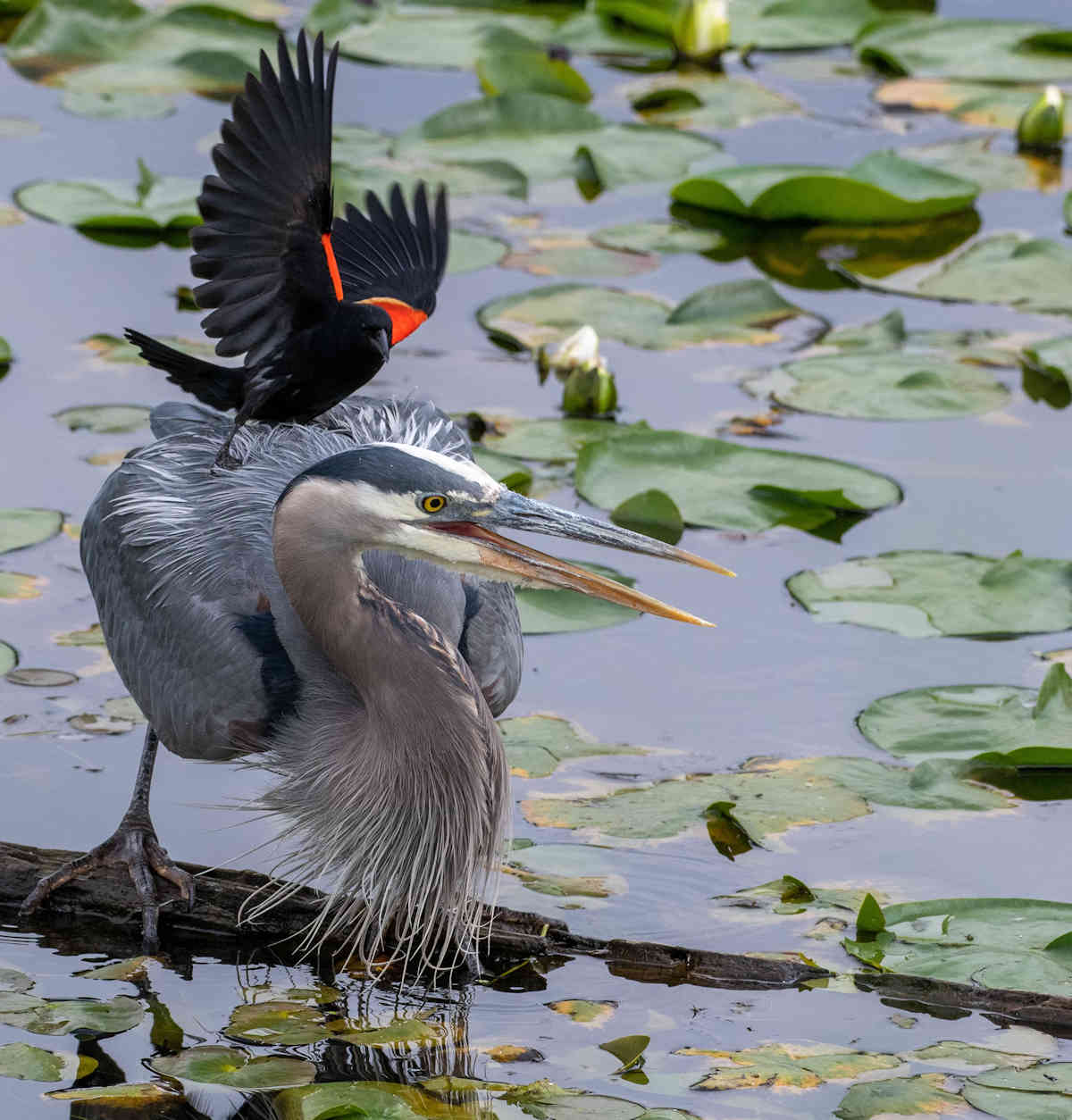
The two best windows are early morning and late afternoon, roughly an hour before sunset. I noticed this pattern with my cardinals long before I ever read about it. They show up like clockwork at dawn, disappear during the middle of the day, and return in the late afternoon to fuel up before dark.
Cornell Lab of Ornithology research through Project FeederWatch confirms that most backyard species begin hitting feeders about half an hour before sunrise and activity peaks in the two hours before sunset, with a sharp drop-off after that. Activity dips during midday partly because birds need to manage the tradeoff between eating enough and avoiding predators when they are heaviest and slowest.
Practical tip: If you put out food and wonder why you never see much activity, check the clock. If it is between 10am and 3pm, you are watching during the slowest window. Shift to 6 to 9am or 4 to 6pm and you will see an entirely different level of activity.
Step 3: Pick Your Watching Spot
Your bird watching spot does not need to be a nature reserve. It can be your kitchen window, your back porch, your work parking lot, or your daily walking route.
The key is to choose a spot you already spend time in so that bird watching naturally becomes part of your routine rather than a separate activity you have to plan for. The more frictionless it is, the more consistently you will do it.
My own setup is simple: a kitchen window that faces the backyard, a chair in good morning light, and a feeder close enough that I can see detail without binoculars. It took about 20 minutes to set up and it has been the same spot for years.
If you enjoy combining bird watching with a longer outing, the mid-Atlantic region is genuinely spectacular. Chincoteague Island in Virginia is one of the best birding destinations on the East Coast, and it makes for an excellent day trip or weekend. We also covered bird watching at Merriweather Lakehouse Hotel for those who want to combine it with a getaway.
Step 4: Set Up a Feeder
Setting up a bird feeder is the single fastest way to increase bird activity around your home. Here is how to do it well from the start.
Feeder Placement
Most beginners put feeders wherever they look nice. Placement has a real impact on both how many birds you see and how safe those birds are.
- Place feeders either very close to a window (within 3 feet) or well away from one (more than 10 feet). This reduces window strike risk because birds either cannot build up enough speed, or they have enough distance to see the glass and course-correct.
- Position feeders near shrubs or trees so birds have a safe perch to watch from before approaching. A feeder sitting in the middle of open space with no nearby cover gets far less traffic.
- Keep feeders out of direct afternoon sun when possible. Heat spoils seed faster and can deter birds in summer.
- If squirrels are a problem (more on this below), mount feeders on a smooth metal pole at least 5 feet off the ground and 10 feet from any potential launch point.
If you want to improve the overall appeal of your yard, adding native plants and shrubs around your feeder area does double duty. It attracts more birds and creates a more inviting outdoor space for you as well.
Which Type of Feeder Should You Start With?
The feeder you use determines which birds you attract almost as much as the food inside it. But here is something most beginner guides skip: you do not need a feeder at all to get started.
Nearly all ground-feeding species, including juncos, mourning doves, sparrows, cardinals, and blue jays, are completely happy eating seeds scattered directly on the ground. Tossing a handful of a basic mixed blend (the bags at Costco or Walmart work perfectly) in front of bushes, trees, or any clearing near cover is honestly one of the fastest ways to see who is out there. Seeds on your window sill work too. Start there if you want to keep things simple.
When you are ready to add a feeder, here is what we use and what each one does best.
1
Tube Feeder
The most versatile starting point. A tube feeder filled with black oil sunflower seeds attracts the widest range of small songbirds: chickadees, nuthatches, titmice, finches, and cardinals. One thing to know: mourning doves and blue jays are too heavy to perch on a standard tube feeder comfortably, so this naturally filters out the bigger birds that can empty a feeder fast. Grackles and starlings will also struggle with it, which is a real advantage if those species are common in your area and tend to take over.
2
Platform or Tray Feeder
Cardinals, mourning doves, blue jays, titmice, and chickadees all love a platform feeder. It accommodates larger birds that cannot use a tube and gives everything a flat, open surface to land on comfortably. The tradeoff is that seed is exposed to rain and squirrels, so check it daily. We use one regularly and it tends to get busy fast, especially in the morning.
3
Upside-Down Suet Cage
We specifically recommend the upside-down version rather than a standard suet cage. Woodpeckers and nuthatches have no trouble feeding from below and they absolutely love it. Most other birds find it awkward to hang upside down for long, which means the suet stays available for the birds it is actually meant for. It is a real treat for them and one of the more reliable ways to attract woodpeckers consistently.
4
Nyjer Sock
Finches are essentially the only birds that reliably use a nyjer sock, and they use it enthusiastically. American goldfinches in particular will empty one faster than you expect. Run it from late winter through summer when finch activity peaks. If you are not seeing many finches, do not give up: sometimes it takes a few weeks for them to find a new feeder.
5
Window Feeder
Window feeders are fun and putting birds right at eye level is a genuinely special experience. That said, the suction cups can be unreliable and they tend to fall off more than you would like. Honestly, scattering seed directly on a wide window sill works just as well and requires zero hardware. If you do use a window feeder, fill it with sunflower chips (shelled, no mess) and position it on a window you pass throughout the day rather than one you only look at occasionally.
A note on grackles and starlings: If these species are active in your yard, a tube feeder and an upside-down suet cage are your best tools for keeping things manageable. Both designs work against larger, more aggressive birds without deterring the smaller songbirds you are trying to attract.
What to Feed
The best bird foods are raw and unsalted. Here is what works and what to avoid.
Safe foods to put out:
- Black oil sunflower seeds are the universal crowd-pleaser, loved by almost every backyard species including cardinals, chickadees, and finches. Start here if you only buy one thing.
- Nyjer (thistle) seed is a finch magnet, especially for American goldfinches.
- Safflower seed is a cardinal favorite and naturally squirrel-resistant.
- White proso millet is beloved by sparrows, doves, and ground-feeding juncos.
- Unsalted peanuts are a high-energy food for cardinals, jays, and woodpeckers.
- Suet cakes are essential in cold weather and attract woodpeckers, nuthatches, and wrens.
- Fresh fruit such as berries, apple slices, and orange halves bring orioles and catbirds.
- Mealworms are irresistible to bluebirds and wrens, especially during nesting season.
- Uncooked oats provide good winter energy for a range of species.
Foods to avoid:
- Bread, crackers, and chips are nutritionally empty and can cause health problems with regular consumption
- Salty foods, because birds cannot process sodium the way humans can
- Chocolate and avocado, which are toxic to birds
- Moldy or spoiled food, which can cause serious respiratory illness
- Raw dried beans, which contain compounds harmful to birds
Feeder Cleaning
Dirty feeders are one of the most overlooked hazards for backyard birds. Wet seed molds quickly, and birds congregating at shared feeders can spread disease rapidly. According to All About Birds at Cornell Lab, feeders should be cleaned every one to two weeks using a dilute bleach solution (no more than 1 part bleach to 9 parts water). Rinse thoroughly and allow to dry completely before refilling.
I fill and check my feeders twice a day, once in the morning and once in the late afternoon. It takes about five minutes total and makes a visible difference in the number and variety of birds that show up. It also lets me notice any sick-looking birds early.
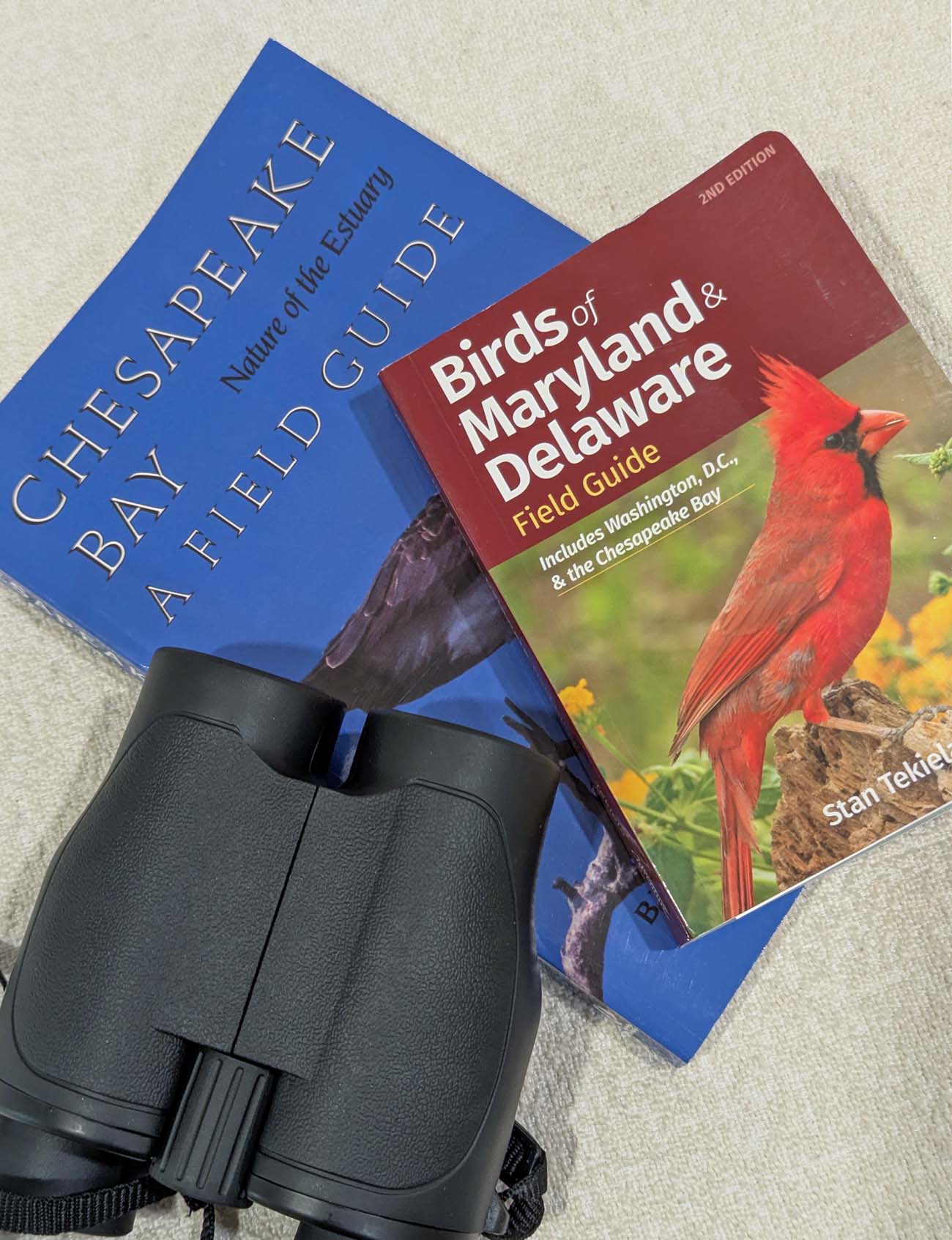
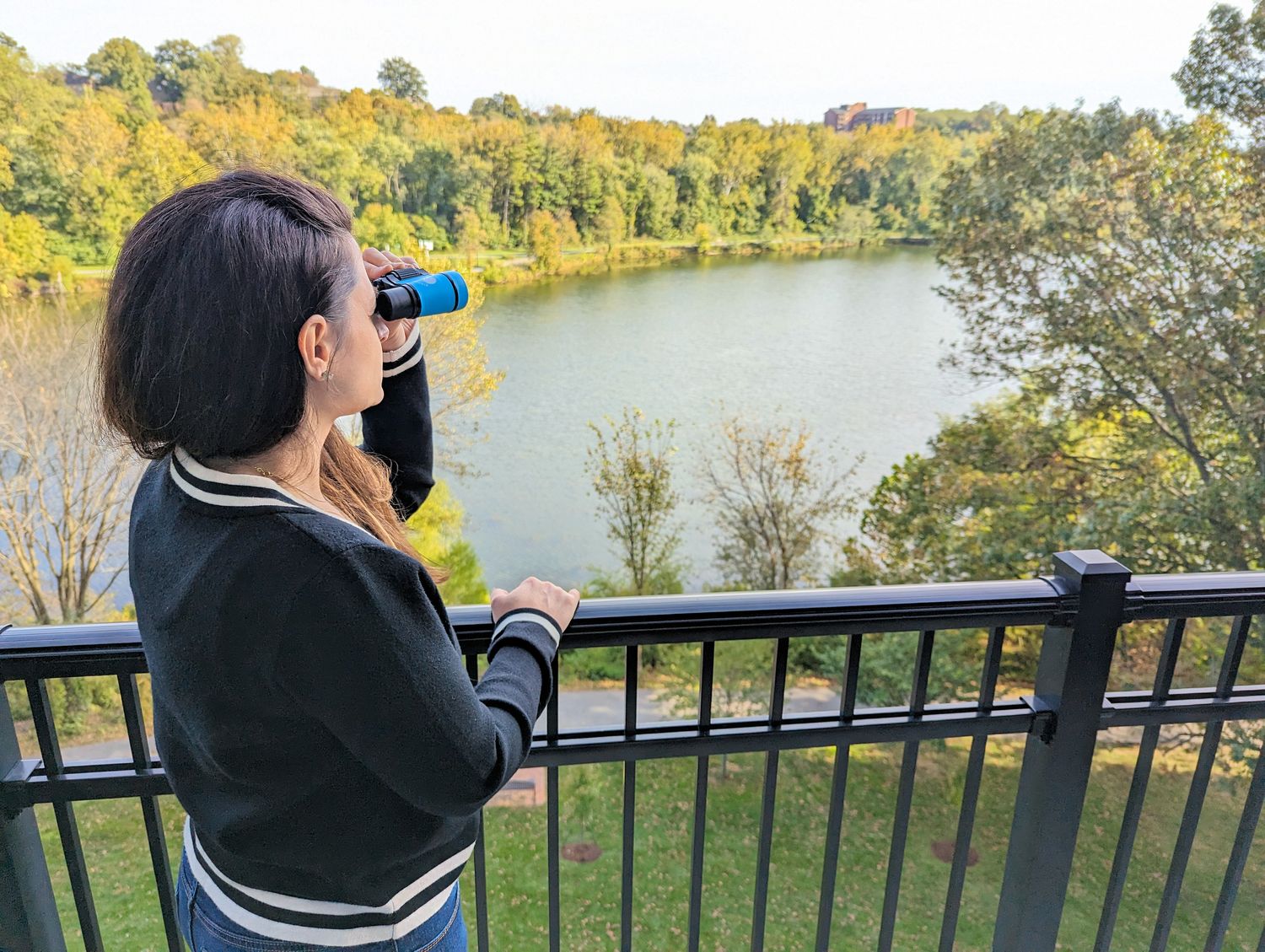
Also worth having: a good pair of binoculars for when you want a closer look without moving. These beginner-friendly binoculars on Amazon are a popular starting point and work well at typical backyard feeder distances.
Step 5: Add a Water Source (This May Be the Easiest Win of All)
Clean water attracts birds that might never visit your seed feeder. Even species that do not eat seeds, such as warblers, thrushes, and mockingbirds, will reliably show up for a dependable water source. And it costs almost nothing to set up.
We currently have three water sources in our yard and birds drink and bathe in all three every single day. Here is what we use:
- A large planter tray with a few stepping stones placed inside so smaller birds can stand without being submerged
- A small ceramic bowl that we refill daily
- An upside-down frisbee. Yes, really. The birds loved it so we just kept filling it. It has never been replaced.
None of these cost more than a few dollars. All of them get used every day.
Two things matter more than what you use: placement and consistency. Keep your water sources in the shade and close to shrubs or trees. Birds feel exposed when drinking and bathing, and nearby cover gives them a quick escape if they need it. That sense of safety is what brings them back every day.
Change the water every one to three days to prevent mosquito larvae and the spread of disease. In winter, a small bird bath heater (around $25 to $30) keeps water liquid when everything else is frozen and makes your yard genuinely essential to local birds during the hardest months.
Think about it this way: puddles are the alternative. What you are providing is cleaner, safer, and more reliable than anything they would find on their own.
The National Wildlife Federation notes that a reliable water source is one of the most impactful things any homeowner can provide for local wildlife, often more effective at increasing species diversity than food alone.
Step 6: Deal With Squirrels Before They Take Over
I say this with genuine affection for squirrels as animals, but they will empty your feeder in an afternoon and deter birds from returning. If you live in an area with squirrels, plan for this from day one.
The most effective strategies:
- Mount feeders on a smooth metal pole with a baffle (a dome-shaped squirrel guard) to stop the majority of access attempts.
- Use safflower seeds or hot pepper-treated seed blends. Squirrels dislike both, while birds are completely unaffected by capsaicin.
- Keep feeders well away from fences, rooftops, and tree branches that could serve as launch points. Squirrels can jump further than most people expect.
- Consider a weight-activated feeder. The Squirrel Buster line is the most popular option and closes under the weight of a squirrel but opens freely for birds.
Some people make peace with squirrels and add a separate platform or corn cob feeder just for them. It is not a bad strategy and keeps them occupied and away from your bird setup.
Step 7: Prevent Window Strikes
According to the U.S. Fish and Wildlife Service, up to one billion birds collide with glass in the United States every year, making it one of the leading causes of bird mortality. Once you start actively attracting birds to your yard, this is worth addressing.
Birds cannot see glass the way we do. They see the reflection of sky or trees and fly directly toward it. The solution is to break up that reflection.
- Apply window decals or tape in a grid pattern. Marks need to be no more than 2 inches apart vertically and 4 inches apart horizontally to be effective. Single hawk silhouettes unfortunately do not work well in practice.
- Apply exterior window films or screens. These break up reflections while still letting you see through from the inside.
- Use the feeder placement rule from Step 4. Feeders within 3 feet of windows reduce strike risk because birds cannot build dangerous speed. Feeders more than 10 feet away give birds enough visual distance to see and avoid the glass.
I added a few simple decal strips to my main watching window two years ago. They took about 10 minutes to apply and I have had no strikes since.
Step 8: Listen Before You Look
More often than not, I hear a bird long before I see one. That familiar call or song is your first clue that something interesting is nearby.
When you are starting out, pay attention to the rhythm, repetition, and pitch of calls in your area. You do not need to memorize anything at first. Your brain will start matching sounds to species naturally with just a few weeks of regular exposure.
Notice how long a call repeats, whether it sounds sharp and short or long and musical, and whether it seems to come from the ground or high up in the canopy. These qualities stay consistent for each species and become surprisingly recognizable over time.
Step 9: Download a Bird ID App
Two free apps from the Cornell Lab of Ornithology will make the entire experience easier, more fun, and more intuitive from day one: Merlin Bird ID and BirdNET. Both are free and genuinely excellent for beginners.
M
Merlin Bird ID: Perfect for Learning the Birds in Your Yard
Merlin is the app most beginners fall in love with because it feels like a friendly guide rather than a tool. You can snap a photo, record a sound, or answer a few simple questions, and Merlin gives you a short, accurate list of likely birds based on your location and the time of year.
Its real-time Sound ID feature is genuinely impressive. It listens through your phone’s microphone and highlights each species on screen as it sings. You hear a bird, you look at the app, and you know what it is within seconds.
B
BirdNET: For Tricky Calls and Deeper Analysis
BirdNET is a listen-and-analyze tool. You record a bird call and it runs the audio through a machine-learning model to identify what you are hearing. It is especially helpful for birds you cannot see, the ones calling from deep brush or high in the canopy.
- Identifies over 6,000 species through deep audio analysis
- Ideal for tricky calls, background noise, or confirming a rare species
This app leans more scientific than Merlin, making it a great second-opinion tool for curious beginners who want to dig deeper.
Download BirdNET free at BirdNET.Cornell.edu
See also

Which one should you start with? If you can only download one, start with Merlin. It covers the full identification process from photo to sound and is more beginner-friendly. Many birders end up using both: Merlin for everyday use, BirdNET when they want to go deeper. They complement each other well.
Also worth setting up: a free eBird account from Cornell Lab. It connects with Merlin and lets you log every sighting with location and date. Over time, your eBird life list becomes one of the more satisfying records you will keep, and your data contributes to real bird population science.
Step 10: Take a Photo Instead of Identifying in Real Time
Trying to identify a bird while it hops around for eight seconds and then disappears into a hedge is genuinely difficult even for experienced birders. Stop putting that pressure on yourself.
Instead, take a quick photo with your phone and look it up afterward. Identification becomes a relaxed puzzle rather than a performance.
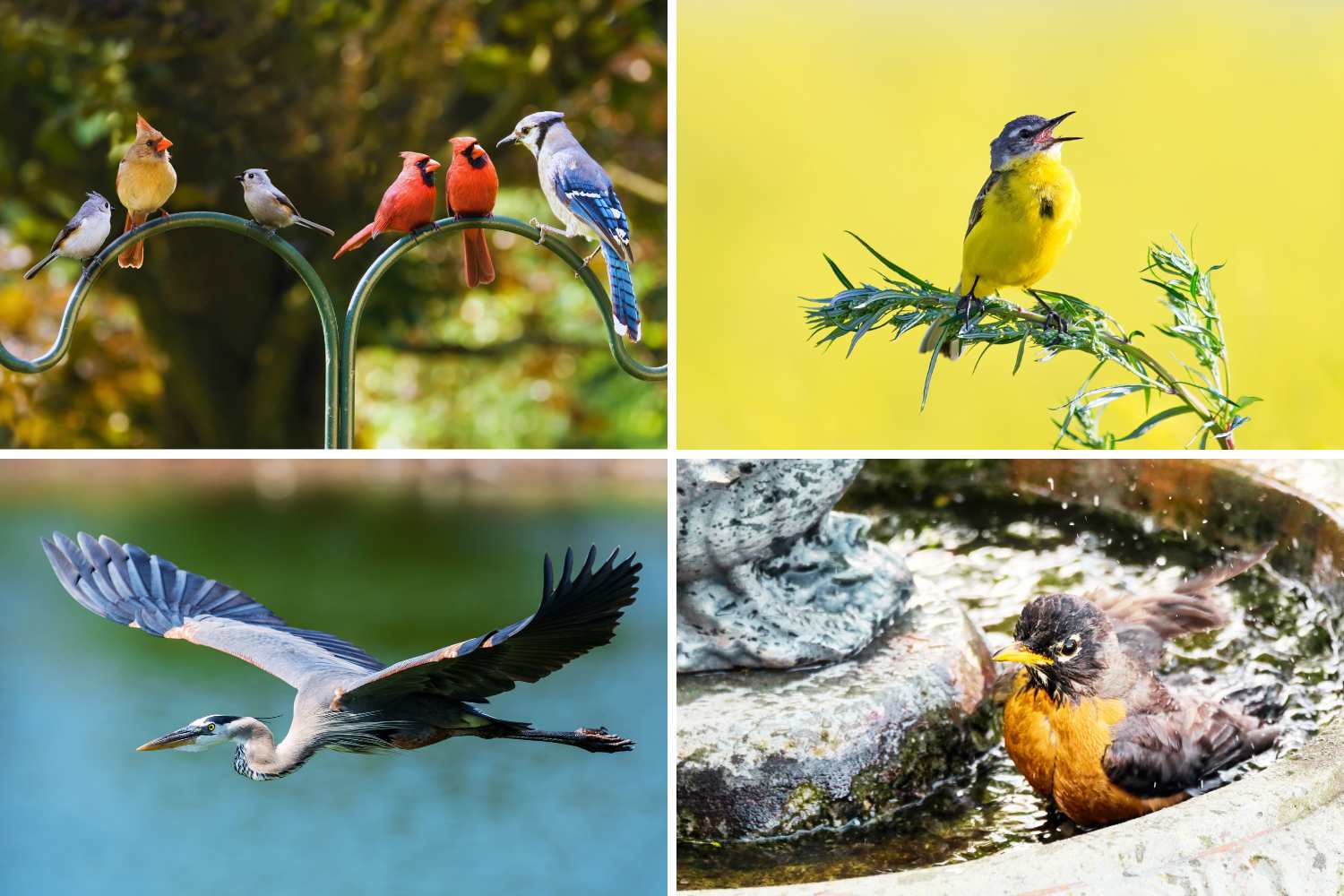
When reviewing a photo, look for: color blocks on the head, breast, and wings; beak shape (long and thin indicates an insect eater, short and thick indicates a seed cracker); tail length; and overall body size relative to something else in the frame for scale. These four details will get you to the right species in most cases.
Step 11: Keep a Simple Bird Log
This one is optional but I genuinely recommend it, even if it is just a note in your phone. Looking back on a year of sightings is unexpectedly satisfying.
A few details worth recording:
- The date and time of sighting
- The species you saw (or your best guess)
- Number of birds
- Sex and approximate age if you can tell
- Location
- What the bird was doing: calling, bathing, foraging, or nesting
Keeping a log is how you start to notice patterns. Which birds appear only in certain weather. The ones who migrate and when. Which ones stay year-round. What time of day brings the most activity.
I noticed years ago that my cardinals arrive at my feeder almost every single day, but early morning and the hour before sunset are their peak times without fail. That is not something I would have recognized without paying enough attention to spot the pattern over time.
Pay Attention to Seasons and Weather
One of the more rewarding aspects of bird watching is that it connects you to seasonal rhythms you would otherwise completely miss.
Bird activity shifts with temperature, daylight, rainfall, and migration cycles. Once you start watching regularly, you will feel spring arriving through bird behavior before you notice it in the plants. The return of certain species, the change in calls, the increase in territorial singing in late winter. All of it becomes readable with time.
Where I live in the mid-Atlantic, I mark the seasons partly by birds. Dark-eyed juncos arrive as soon as it gets cold in late fall and begin migrating north to Canada at the very first hint of spring. I always miss them when they leave, but their departure means the robins and catbirds are coming back. It has become a kind of living calendar I genuinely look forward to every year.
Rain, wind, and temperature swings all influence where birds are and what they are doing. Cold snaps make feeders busier. Storm fronts push migrating birds into unexpected areas. Foggy mornings seem to make birds call more. All of this becomes readable the longer you watch.
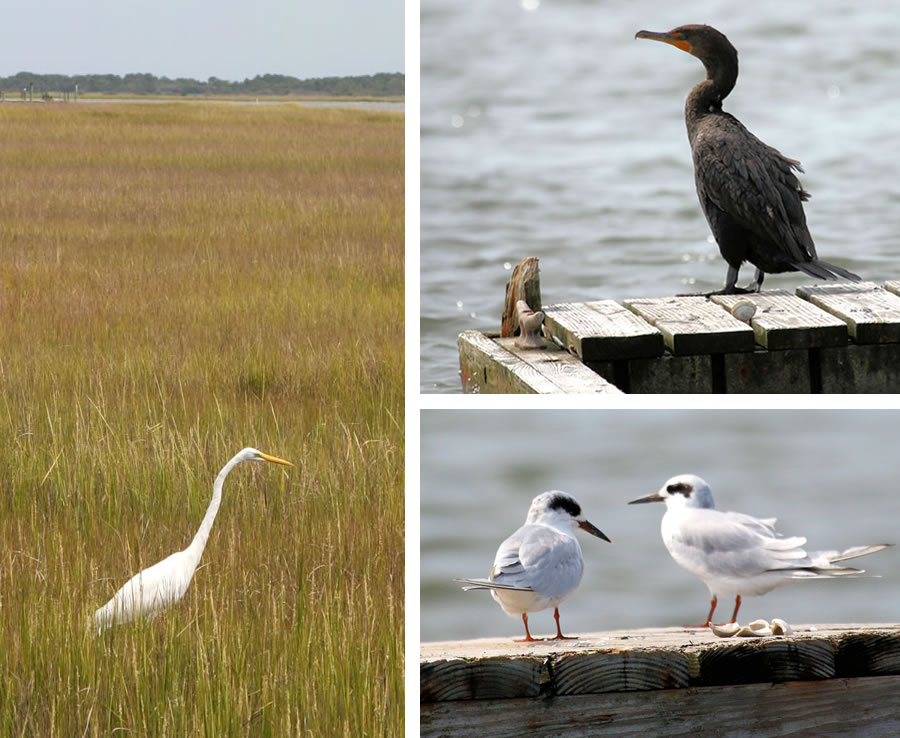
If you want to see migration up close, the mid-Atlantic coastline during spring and fall is extraordinary. Our guide to the best day trips from Philadelphia for nature lovers covers several spots that are outstanding during peak migration season.
Bird Watching From an Apartment
No yard? No problem. A window sill with a handful of seeds or peanuts will attract birds in almost any urban or suburban environment. It may take a day or two for the first birds to discover it, but they will come.
One practical note: birds are messy eaters. To keep things tidy, look for seeds labeled “no mess” or “waste-free.” These are shelled blends where birds eat everything rather than dropping hulls on your sill or the ground below. They are slightly more expensive but absolutely worth it on a balcony or window ledge.
A suction-cup window feeder is worth trying if you want birds right at eye level. They are widely available for $15 to $25, though the suction cups can be unreliable. Honestly, seed scattered directly on a wide sill works just as well and requires nothing at all.
The Mindset That Makes Bird Watching Stick
The most beautiful thing about bird watching is that there is no wrong way to do it. No life list required, no field trips planned, no expertise needed. Just show up and pay attention.
If you notice a new bird, recognize a call, or observe a behavior you have not seen before, you are already doing it right. That is the whole thing.
The rewards come slowly at first and then all at once. Birds start appearing on your commute, in parking lots, in the middle of conversations. A call you once ignored suddenly has a name. A flash of red at the window brings a small, quiet happiness that is hard to explain but very easy to feel.
Most hobbies ask a lot of you before they give anything back. This one starts paying off the moment you look up.
Quick-Start Checklist for Your First Week
If you want to get started today, here is the simplest possible path:
1
Put out a dish of black oil sunflower seeds near a window you already sit by
2
Fill a shallow dish with clean water nearby and change it every two days
4
Pick a 10-minute window each morning to watch, ideally between sunrise and 9am
5
Take a photo of any bird you do not recognize and identify it later using Merlin
6
Note any birds you see in your phone or a dedicated journal, even just the species name and time
That is the whole starter kit. No gear, no expertise, no weekend trips required. Just seeds, water, and your attention.
The birds will do the rest.
Which bird showed up first at your feeder? Drop it in the comments below. We love hearing about the regulars.
More You Might Enjoy
Better Living may earn commissions through affiliate links and may occasionally feature sponsored or partner content. If you make a purchase through our links, we may receive a small commission at no cost to you.