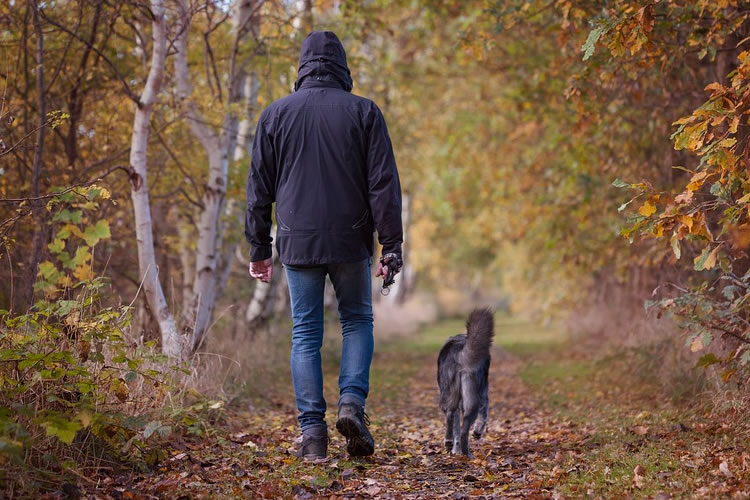
Senior dogs need a little more from us than they used to. They slow down, sleep more, and their bodies start showing signs of wear that weren’t there a few years ago. A twice-yearly vet visit is a given — AAHA recommends at least that often for senior dogs — and bloodwork at those visits is important too, since a lot can change internally before you’d notice anything on the outside. But a lot happens between appointments. Knowing what to watch for and how to stay ahead of it makes a real difference in how comfortable your dog’s golden years actually are.
Keep Them Moving
It’s tempting to let a senior dog sleep as much as they want. They earned it, right? But exercise is one of the best things you can do for an aging dog, even if it looks different than it used to. Without regular activity, their muscles weaken, their joints stiffen, and their minds start to dull. Movement keeps all of that at bay. It reduces inflammation, promotes healing, aids digestion, and helps maintain a healthy weight.
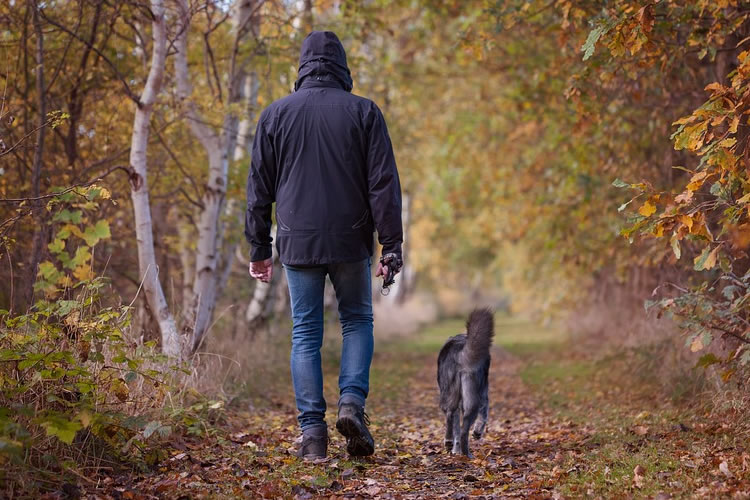
The key is keeping it gentle. Start with short, flat walks. 10 to 15 minutes is plenty. Avoid rocky or hilly terrain that could strain their joints or lead to a stumble. Swimming is another great option at any age, easy on the body and surprisingly tiring in a good way. If your dog is reluctant to move, don’t push it. Pain is usually the reason.
Take Care of Their Joints
Stiffness, slower walks, trouble getting up, reluctance to climb stairs — if any of these sound familiar, arthritis might be the culprit. It’s one of the most common issues in senior dogs, and it’s painful. Keeping your dog at a healthy weight and making sure they get regular but gentle exercise goes a long way toward keeping joints supple.
Beyond that, joint supplements can genuinely help. Look for ones containing glucosamine, chondroitin, and MSM. These ingredients have solid evidence behind them for joint health. We’ve had two senior dogs in the past five years, and the difference we noticed once they were both on a joint supplement was hard to miss. Longer walks, easier mornings, more energy overall. Certain breeds — German shepherds, Labs, dachshunds — are especially prone to joint issues, so it can be worth starting them on a supplement earlier rather than waiting for the signs to show up. Around the house, small things help too. A ramp or steps instead of jumping on and off furniture or out of the car takes the strain off, and an orthopedic bed makes a real difference for dogs that are stiff in the mornings.
Omega-3 fatty acids are another one worth looking into. They’re great for joint health, but the catch is that they’re heat and light sensitive, so the omega-3s listed on commercial dog food labels have usually been destroyed during processing. A dedicated omega-3 supplement for dogs is the way to actually get the benefit. Beyond joints, omega-3s also support skin, eyes, brain health, and can help with allergies. We’ve written more about the benefits of essential fatty acids if you want to dig in.
Watch Their Eyes
If your senior dog’s eyes have taken on a grayish or bluish tint, it’s probably nuclear sclerosis, not cataracts, though they look similar. The lens gets cloudy, but the dog can usually still see just fine. If they start bumping into things more often, though, that’s worth a vet visit. Something more serious could be going on. The ASPCA has a solid overview of senior dog care worth bookmarking.
If your dog’s eyesight is declining, small changes around the house make a big difference. Throw rugs or yoga mats on slippery floors help them feel more confident moving around. You can even use natural scents like essential oils to help mark important spots: their food, water, bed, the door to the yard. Keep their feeding area consistent, don’t rearrange furniture, and try to keep high-traffic areas clear of clutter.
Feed Them Well and Add a Probiotic
What you put in their bowl matters more as they age. Look for food without chemical preservatives or artificial colors, with quality meat-based protein and lower carbohydrate content. A good diet can delay or even prevent some age-related issues, and it helps with constipation, which is surprisingly common in senior dogs. The ASPCA’s nutrition guidelines for dogs break down what to look for at each life stage.
When to switch to a senior-specific diet depends on the breed. Smaller dogs stay younger longer than larger breeds, and in general dogs are considered seniors somewhere between 7 and 12 years old. If your dog is healthy and active, you might not need to change their food at all. If you’re noticing weight gain as they slow down, try feeding a little less and adding some fresh vegetables or a tablespoon of pumpkin for fiber. Apple slices, green beans, and carrot sticks make great low-calorie crunchy snacks too. We’ve got more on how probiotics support your health if you’re not sure where to start.
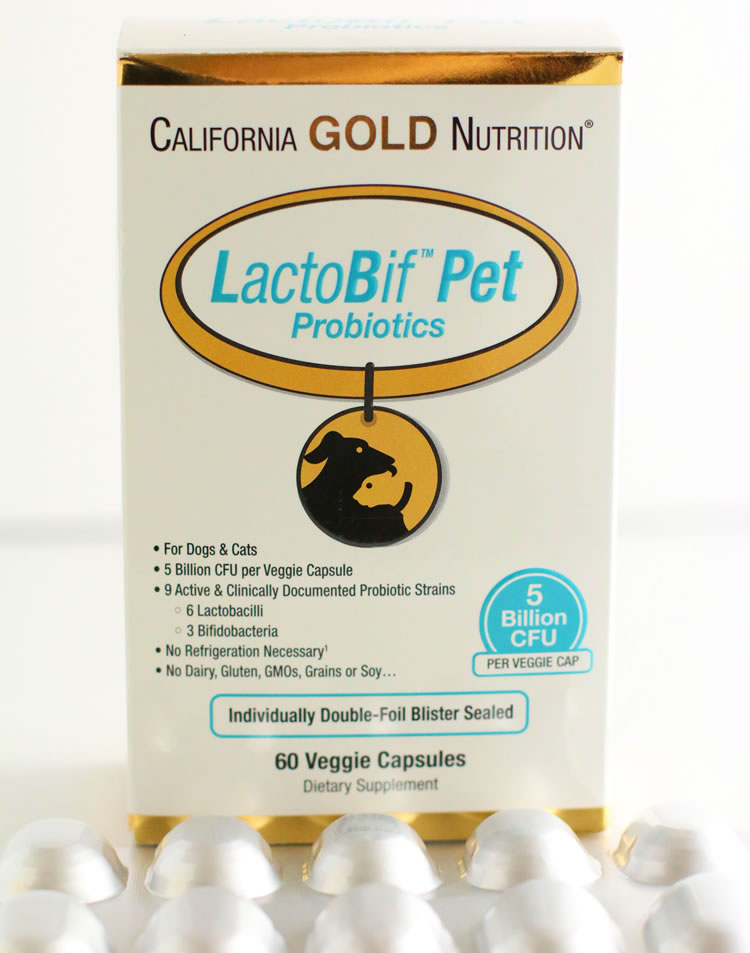
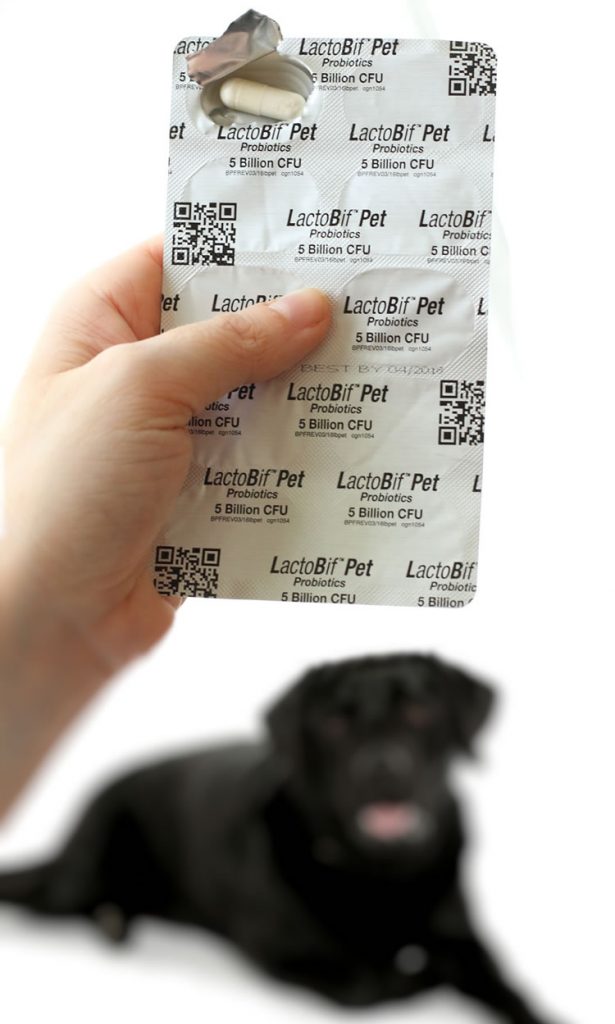
Here’s something worth knowing: about 80% of a dog’s immunity lives in their gut. Probiotics are the good bacteria that keep everything in balance. They support digestion, immune function, and even brain health. A daily probiotic is one of the simplest things you can add to a senior dog’s routine. California Gold LactoBif Pet Probiotics are an easy option. Just open the capsule and mix the powder into their food. If you’re feeding mostly kibble, a little peanut butter or mashed banana makes it easier to blend in. Start with a half dose at first and see how your dog does, and make sure they’re drinking plenty of water.
Watch Their Weight
Senior dogs slow down, and their metabolism slows with them. That combination means weight can creep up without you really noticing, and extra pounds on an aging dog are a bigger deal than most people realize. Obesity puts more pressure on already-stressed joints, increases the risk of diabetes and heart disease, and can shorten their life. It’s one of the most common and most preventable issues in senior dogs.
The easiest way to check is to feel their ribs. You should be able to feel them with light pressure but not see them clearly. From above, there should be a visible waist behind the ribs. If you can’t feel the ribs without pressing, or the waist has disappeared, it’s time to talk to your vet about adjusting portions. A little less food and a little more gentle movement can make a real difference, and your vet can help you figure out the right balance for your dog’s size and activity level.
Don’t Skip Dental Care
Dental health is one of the most overlooked parts of senior dog care, and it matters more than most people realize. Dogs with regular dental care live an average of two years longer than those without it. There’s a real link between poor dental health and conditions like heart disease. Brush their teeth at least twice a week if you can. Dental chews and raw bones also help reduce plaque and tartar.
If your dog starts chewing differently or has unusually bad breath, get it checked out. It could be periodontal disease or an infection, and if it goes unchecked, it can enter the bloodstream and make them seriously ill.
Don’t Forget About Grooming
As dogs age, they have a harder time keeping themselves clean. They can’t twist and reach the way they used to, and their coat often gets duller and thinner. That doesn’t mean grooming matters less. It actually matters more. Regular brushing keeps their skin healthy, catches any lumps or sore spots you might otherwise miss, and prevents mats from forming, which can pull at the skin and cause real discomfort.
Nail trimming is another one that sneaks up on people. Overgrown nails change the way a dog walks, and for a senior dog with joint issues, that shift in gait can make pain significantly worse. If you can hear their nails clicking on the floor, they’re too long. A groomer or your vet can show you how to trim them safely if you’ve never done it before.
Hearing Loss Happens
If the sounds that used to get your dog’s attention aren’t working anymore, hearing loss might be setting in. It’s a gradual thing, and it can sneak up on you. I noticed it with my own dog — he stopped reacting to the rustling of a snack bag or the sound of his leash being grabbed, things that used to have him up and moving instantly. A vet visit confirmed what I suspected.
Hearing loss can affect your dog’s mood and behavior in ways you might not expect. A dog that can’t hear someone approaching can be easily startled, and that stress adds up. The best thing you can do is approach them slowly and from the front so they can see you coming. Dogs can still feel vibrations even when they can’t hear. My senior started growling softly whenever someone walked past his bed while he was sleeping. Not out of aggression, just a quiet reminder that he was there. Clapping or stomping also became a reliable way to get his attention.
Watch the Temperature
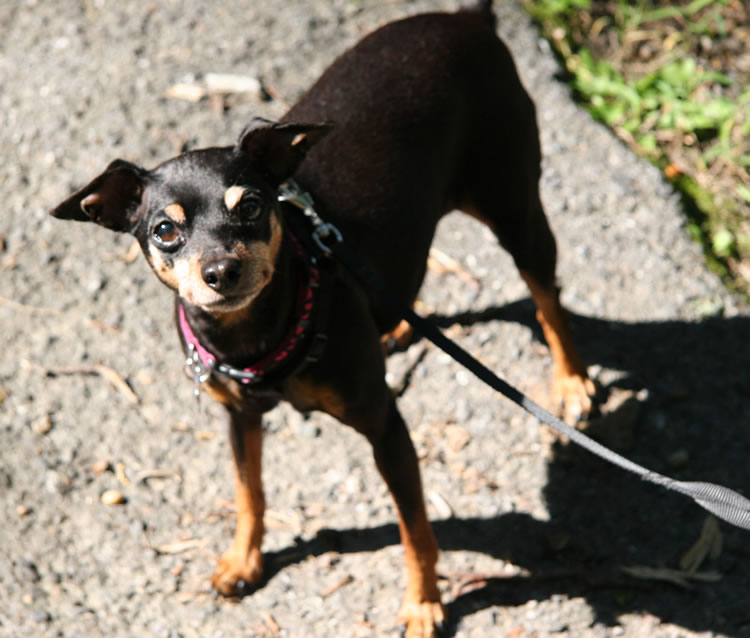
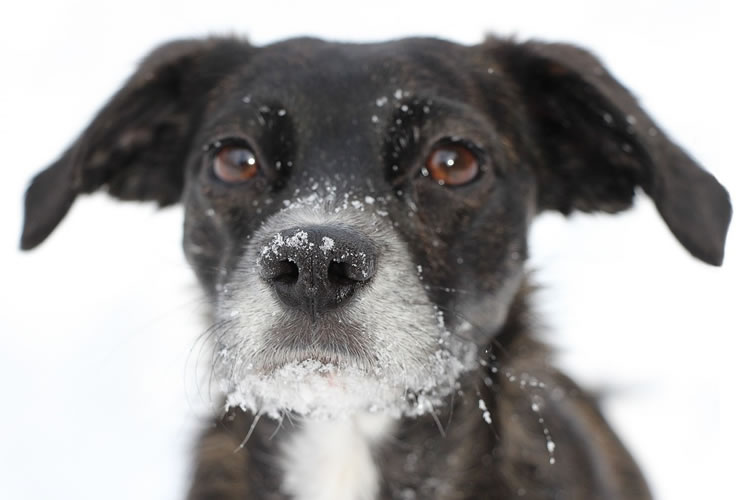
Older dogs have a harder time regulating their body temperature, and that goes both ways. They’re more susceptible to heatstroke in summer and hypothermia in winter than younger dogs are.
In hot weather, make sure there’s always shade and cool water available when they’re outside. Dog houses actually heat up inside, so they don’t count as shade. Walk them early in the morning or after sunset, and if they’re panting more than usual, bring them inside or cool them off with a hose. In winter, depending on the breed and size, temperatures below 32 degrees can be dangerous. Bring them in during freezing weather, and make sure they have a warm, draft-free spot to sleep indoors.
Help Ease Their Anxiety
Senior dogs can develop anxiety in ways that might surprise you. Maybe they’re getting spooked by people or other animals they used to be fine around. Maybe they’re less tolerant of being touched, or they’re pacing, or following you from room to room needing to be close. Older dogs handle stress less well than younger ones, and it shows up differently in each dog.
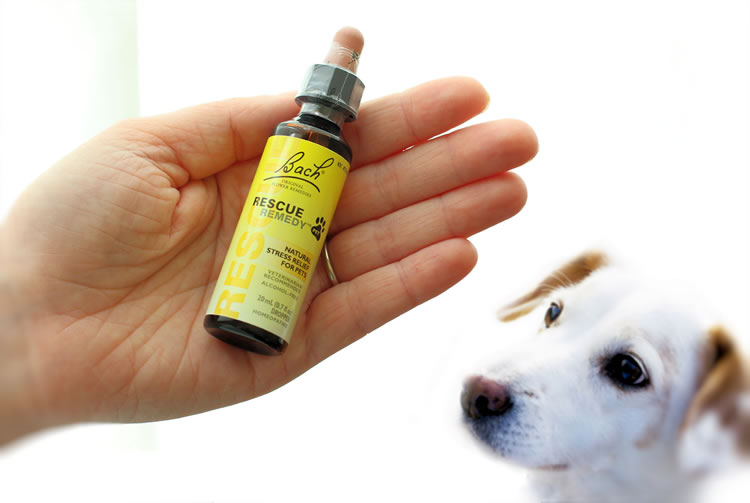
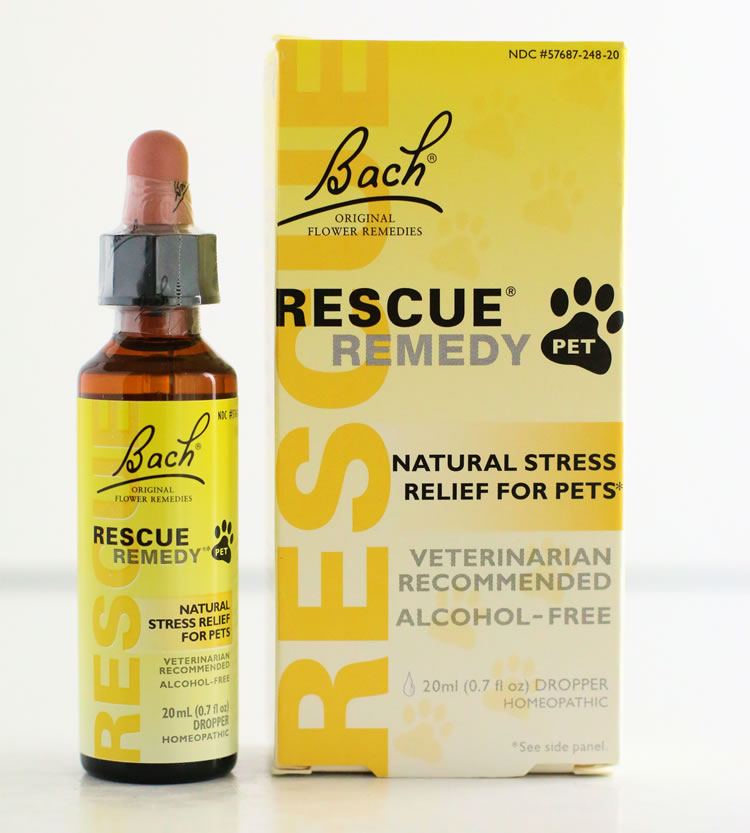
Once you’ve ruled out any medical causes with your vet, there are some things that help. Leaving on soft music or the TV when you leave the house can drown out the sounds that tend to trigger anxiety: car horns, lawn mowers, that kind of thing. For more targeted help, Bach’s Rescue Remedy Pet is worth trying. It’s a natural, alcohol-free option. Just four drops in their water or on a treat. I’ve even used the people version myself during stressful stretches.
Keep Their Mind Sharp
Cognitive decline is one of the less-talked-about parts of senior dog aging, but it’s more common than most people realize. Dogs can develop something similar to dementia, sometimes called canine cognitive dysfunction, where they start getting confused, lose interest in things they used to enjoy, sleep at odd hours, or seem disoriented in familiar spaces. It tends to show up gradually, so it can be easy to write off as “just getting old.” It’s worth paying attention to.
The good news is that mental stimulation genuinely helps. Research from the Dog Aging Project found a clear link between regular physical and mental activity and better cognitive outcomes in older dogs. The simplest version of this is changing up your walks. Instead of the same route every time, take a different path and let your dog stop and sniff as much as they want. Sniffing is actually one of the most mentally tiring things a dog can do, even if it looks effortless. Puzzle toys, the kind where they have to work out how to get a treat, are another easy addition. Teaching them a new trick, even a simple one, keeps the brain engaged in a way that routine doesn’t. The AKC has a good rundown on managing cognitive decline if you want to read more on what to watch for.
Routine matters too. Dogs with cognitive dysfunction do better when the structure of their day stays predictable. Same walk times, same feeding schedule, same sleeping spot. Consistency reduces confusion and anxiety, which tend to go hand in hand with cognitive changes. We covered how even a small amount of daily exercise can lower dementia risk — worth a read.
Get That Cough Checked Out
A cough in a senior dog isn’t always just a cold. If it happens after exertion or drinking, it could be a sign of heart disease, lung disease, or something called collapsing trachea, where the windpipe loses its structure and the airways start to narrow. In small breeds especially, look for a dry cough that sounds almost like a honk. If it’s happening regularly, get it to the vet. A treatment plan started early can make a real difference. It might even save their life.
Check Their Skin for Lumps
As dogs age, lumps under the skin become pretty common. Most of them are lipomas — fatty growths that are benign and nothing to worry about. The general rule: if a lump is soft and moves freely under the skin, it’s probably fine. If it’s hard or fixed in place, that’s worth a closer look.
Either way, bring any new lump to your vet’s attention. They’ll ask about when it showed up, whether it’s changed in size or shape, and how your dog has been acting. In some cases they’ll take a quick cell sample with a fine needle to get a definitive answer. Better to know than to wonder.
Shop iHerb
See also

Senior Dog Supplements & Vitamins
Everything mentioned in this post — joint support, probiotics, omega-3s, and more — is available at iHerb. They carry a solid range of natural options for senior dogs.
🐾 Got a Senior Dog Health Tip?
We’d love to hear how you keep your senior healthy. Drop your tips in the comments below — other dog parents will thank you.
🌿 iHerb Fun Facts
35,000+
Products to choose from
160+
Countries shipped worldwide
10
Languages for customer support
Limited Offer
💛 New to iHerb?
All new customers get $5 off their first order. No code needed — just click below.
Better Living uses affiliate links. If you make a purchase through them, we may receive a small commission (for which we are deeply grateful) at no cost to you.